
Cordaites


 1
9.9
- proper noun
- /ˈkɔrdəˌeɪts/
- Specialized
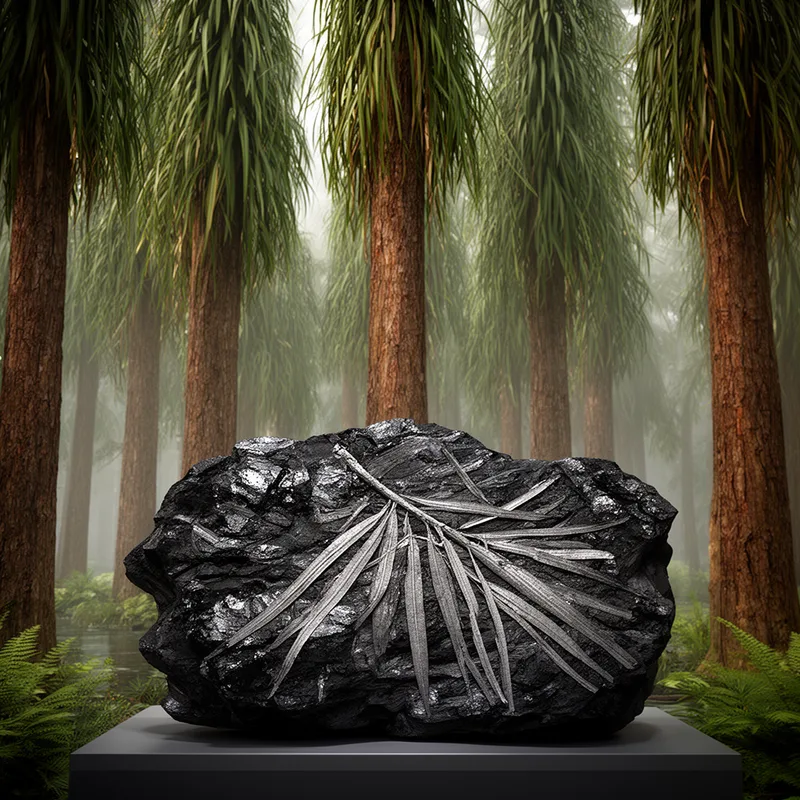
- The leaves of Cordaites were long and narrow, unlike most modern trees.
Examples
-
Many coal deposits contain remains of ancient Cordaites trees.
-
Fossils of Cordaites help scientists understand the structure of prehistoric forests.
-
The ancient forests were dominated by Cordaites.
-
Many fossils of Cordaites have been found in North America.
-
Fossils of Cordaites reveal that these ancient trees could grow over 100 feet tall during the Paleozoic era.
-
Scientists studied the Cordaites to understand more about ancient forest ecosystems and their evolution.
-
The characteristics of Cordaites suggest that they thrived in wet, swampy environments millions of years ago.
Surface Forms
Etymology
A helpful way to remember Cordaites is to think of cord ('rope') because their long, narrow leaves and upright form make them seem rope-like, and that image fits this group of extinct Paleozoic trees.