
Constantinopolitan
- adjective
- /ˌkɒnstəntɪnəˈpoʊlɪtən/
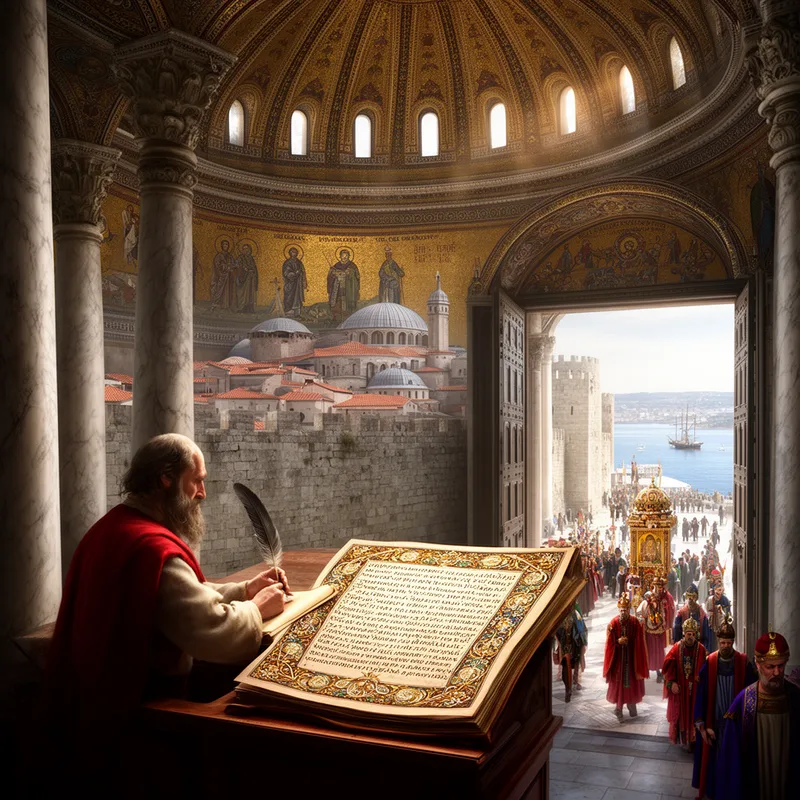
- The art and architecture of the Hagia Sophia are prime examples of Constantinopolitan culture during the Byzantine Empire.
- Constantinopolitan synaxarion
- Constantinopolitan elite
Examples
-
The "imperial canonization" did not sit well with all segments of the Constantinopolitan population.
Academic text (1997) -
While this text gives us the perspective of the Arab importers rather than the Byzantine exporters, it still attests to the high quality and craftsmanship of the Constantinopolitan production.
Academic text (2006) -
A discussion of the date of the Constantinopolitan synaxarion is beyond the scope of this paper.
Academic text (1997) -
Theophano's main feast day in the Constantinopolitan synaxarion is Dec. 16.
Academic text (1997) -
Pelagius viewed the title as an unwarranted assertion of Constantinopolitan authority.
Academic text (2009) -
The epistle also included the acts of a Constantinopolitan synod of the previous year, which had investigated certain charges against the patriarch of Antioch.
Academic text (2009) -
Despite the objections to the dedication of a church in her name, Saint Theophano was remembered in the Constantinopolitan synaxarion on December 16 and is the subject of a saint's life.
Academic text (1997) -
Many historical texts document the Constantinopolitan traditions that shaped Eastern Christianity.
-
The Constantinopolitan influence on trade routes was significant during the medieval period.
Surface Forms
Morphology
Constantinopolitan = Constantinople (opaque) = Constantinople + itan
The suffix '-itan' is not a standard English suffix and does not transparently convey the meaning of 'relating to'.
Etymology
Constantinopolitan comes from Constantine, the emperor who gave his name to the city, and from the root polis 'city'. So, Constantinopolitan describes things that come from or belong to Constantine's city, the place now called Istanbul.

