
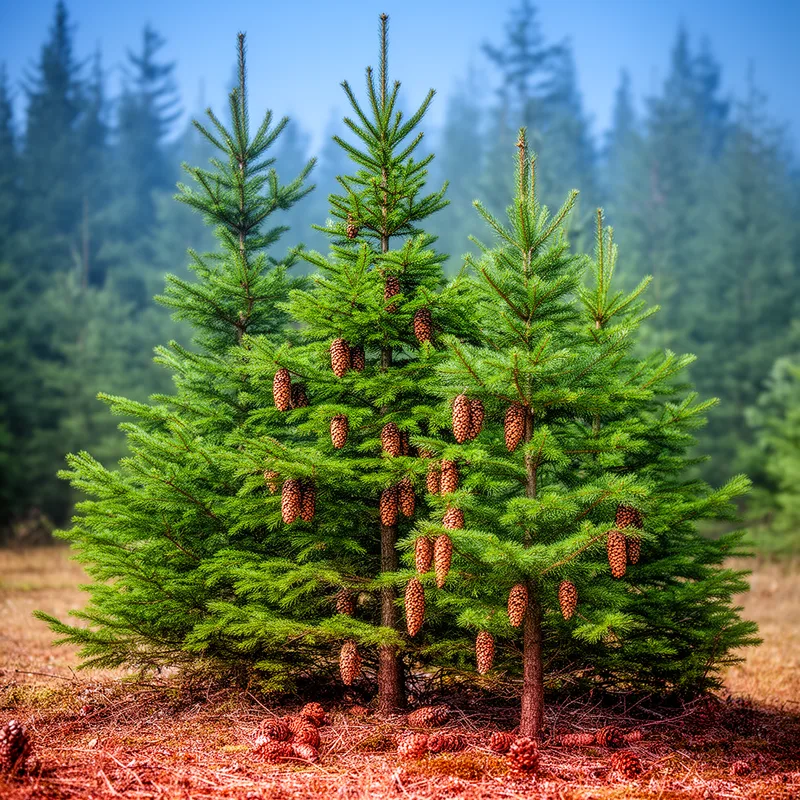
Coniferophytina
- noun
- /ˌkɒnɪfərˈfaɪtɪnə/
- Specialized
- Many familiar evergreens, like pines and firs, are classified within the Coniferophytina.
Examples
-
Researchers traced the evolutionary history of Coniferophytina back to the Carboniferous period.
-
The majority of modern forests in northern regions are dominated by Coniferophytina.
-
The Coniferophytina group includes many species of trees.
-
Are Coniferophytinas important for understanding plant evolution?
-
Many familiar evergreens, like pines and firs, are classified within the Coniferophytina.
-
Researchers traced the evolutionary history of Coniferophytina back to the Carboniferous period.
-
The majority of modern forests in northern regions are dominated by Coniferophytina.
Synonyms
A group of plants that make cones, like pines and spruces
A group of cone-bearing plants like pines and firs

A group of cone-bearing trees that includes pines, firs or spruces
A group of trees that make cones, like pines and firs
Surface Forms
Morphology
Coniferophytina = Coniferophyta (opaque) = conifer + phyta + ina
The word is a specialized botanical taxon name built on a technical intermediate form, so an average learner would not be able to infer its meaning from the components.
Etymology
Coniferophytina comes from conifer meaning 'cone-bearing' and phyto meaning 'plant'. So it literally means 'cone-bearing plants', which is why the name is used for groups like pines and firs.

