
Colubrina
- noun
- /kəˈluːbrɪnə/
- Specialized
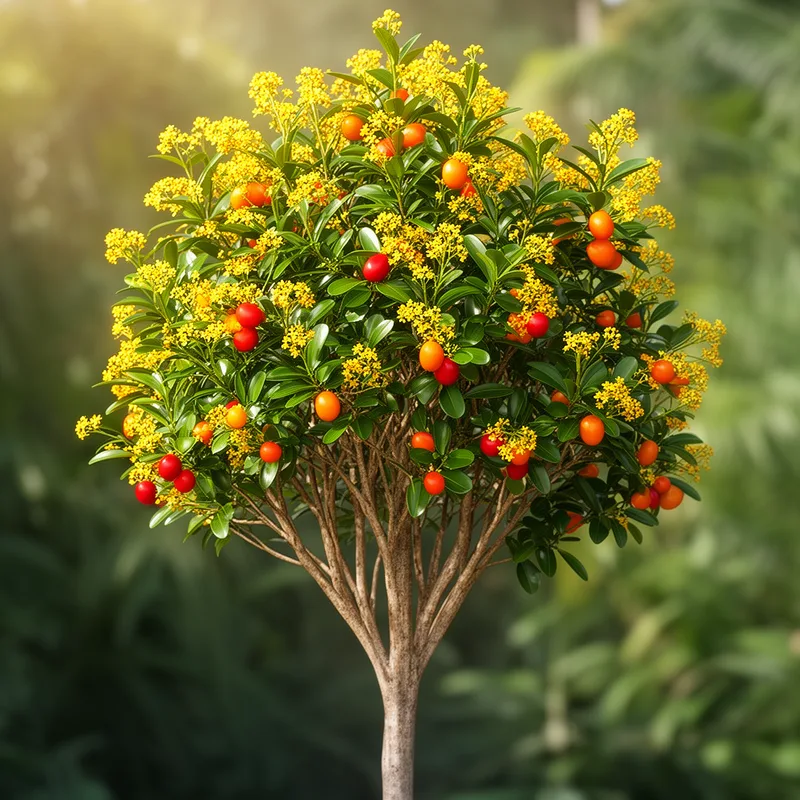
- The garden features several species of Colubrina, known for their small yellowish flowers and vibrant fruits.
Examples
-
In tropical regions, Colubrina trees provide shade and attract various butterflies with their colorful blooms.
-
Botanists are studying Colubrina to understand their role in the ecosystem and the types of wildlife they support.
-
Yellow-lipped sea krait, L. colubrina, is a species the author showed is dependent upon freshwater to maintain water balance, though it spends much of its time in the ocean.
Academic text (2009) -
Yellow-lipped sea kraits they were (Laticauda colubrina); see photograph at left, their two- or three-foot-long bodies dressed in alternating bands of gray-blue and black.
Academic text (2009) -
(Stylized images of the hallucinogenic plant Anadenanthera colubrina are often found on urns used to brew beer, a clue that the Wari may have added a special kick to their chicha.)
Academic text (2010)
Compounds

- Specialized
A South American tree with divided leaves and flat seed pods often used in traditional ceremonies
Surface Forms
Etymology
Colubrina comes from the Latin coluber, which means 'snake', so the name originally meant 'snake-like'. That can help you remember this group of tropical shrubs and small trees, whose thin stems or long branches can look a little like a snake.

