
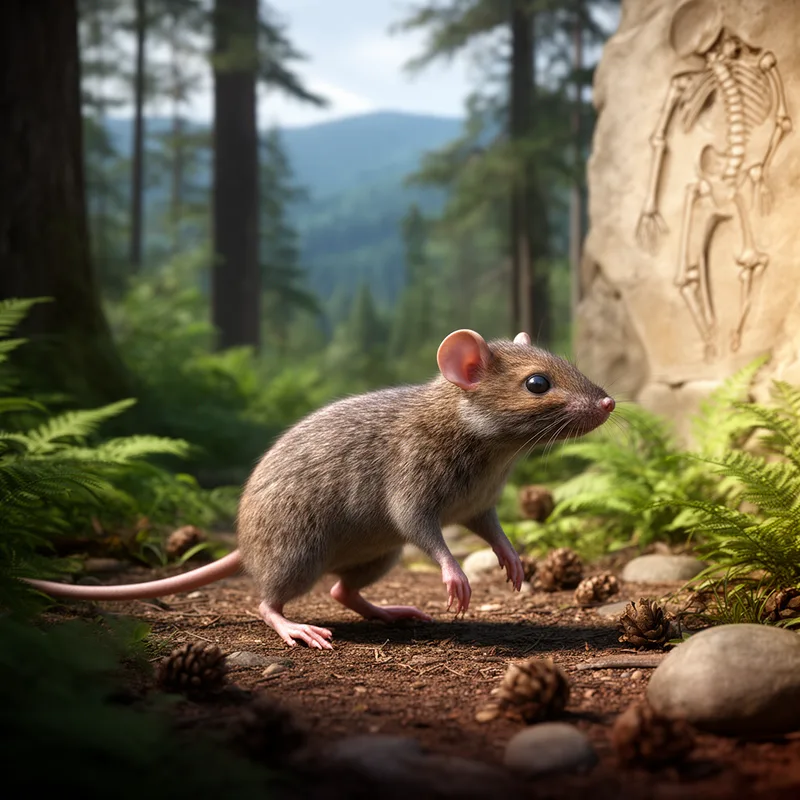
Chronoperates paradoxus
- noun
- Specialized
- Paleontologists were surprised to find Chronoperates paradoxus fossils dating to just 55 million years ago.
Examples
-
The discovery of Chronoperates paradoxus challenged scientists' ideas about the timeline of early mammal-like reptiles.
-
The Alberta site yielded the first known specimens of Chronoperates paradoxus.
-
The Chronoperates paradoxus was discovered in Alberta.
-
Did you know that the Chronoperates paradoxus lived 55 million years ago?
-
Paleontologists were surprised to find Chronoperates paradoxus fossils dating to just 55 million years ago.
-
The discovery of Chronoperates paradoxus challenged scientists' ideas about the timeline of early mammal-like reptiles.
-
The Alberta site yielded the first known specimens of Chronoperates paradoxus.
Synonyms
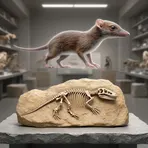
A type of extinct mammal-like reptile found in Late Cretaceous fossils
Surface Forms
Morphology
Chronoperates + paradoxus
This is a Latin binomial taxonomic name functioning as a proper scientific label rather than a compositional English phrase; its meaning (a specific extinct shrew-sized protomammal from 55 million years ago) cannot be derived from the listed constituents. One element lacks a dictionary gloss and the other is a specialized genus name, so a B1 learner who knows the surface words would not be able to infer the biological and temporal details. Proper names and scientific epithets are language-specific labels and are therefore opaque to learners.
Etymology
Chronoperates paradoxus may come from the part chrono meaning 'time' and the word paradoxus meaning 'strange' or 'paradox'. Scientists gave it this name because the small animal lived much later than others like it, so the name points to a clear 'time paradox' and helps explain why the fossil was surprising.

