
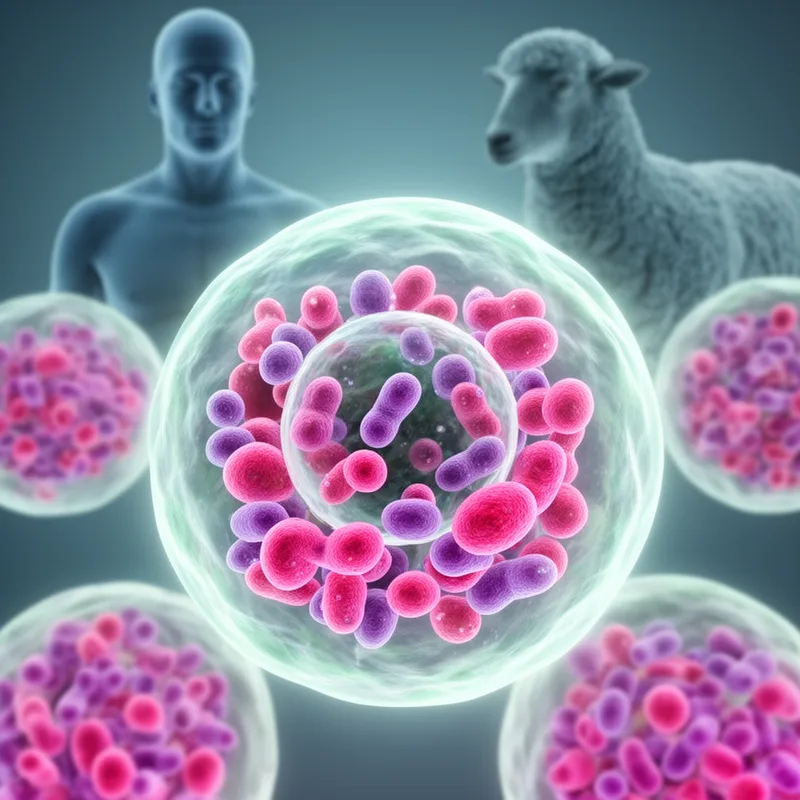
Chlamydiaceae
- noun
- /klæˌmaɪˈdiːəˌsiː/
- Specialized
- Ocular infections were caused by five Chlamydiaceae species.
- Chlamydiaceae species
- Chlamydiaceae infections
Examples
-
The prevalence of ocular infections with Chlamydiaceae species in different mammals is high, which supports the notion that humans are probably also susceptible to ocular infection and disease with zoonotic species.
Academic text (2013) -
Commercial assays do not discriminate among all Chlamydiaceae species that might be involved in trachoma.
Academic text (2013) -
Our study identified ocular infections with five Chlamydiaceae species among trachoma patients.
Academic text (2013) -
Additional studies of trachoma pathogenesis involving Chlamydiaceae species other than C. trachomatis and their zoonotic origins are needed.
Academic text (2013) -
In our study, we randomly selected villagers with follicular or intense trachomatous inflammation to screen for Chlamydiaceae infections.
Academic text (2013) -
For assessment of the prevalence of infections caused by all Chlamydiaceae species and for a better understanding of their zoonotic origins, additional studies using the Array-Tube are warranted in other trachoma-endemic countries worldwide.
Academic text (2013) -
We investigated whether a commercial Micro-ArrayTube could discriminate Chlamydiaceae species in DNA extracted directly from conjunctival samples from 101 trachoma patients in Nepal.
Academic text (2013) -
Ocular infections were caused by five Chlamydiaceae species.
-
Our study identified ocular infections with five Chlamydiaceae species among trachoma patients.
-
The prevalence of ocular infections with Chlamydiaceae species in different mammals is high.
Synonyms
A group of bacteria that live inside warm-blooded animals and can cause disease
Compounds
- Specialized
A group of bacteria that live inside warm-blooded animals and can cause disease
Surface Forms
Morphology
Etymology
Chlamydiaceae comes from the old Greek word chlamys, meaning 'cloak', plus the ending -aceae for a family; the name gives a picture of a group. These bacteria live hidden inside the cells of animals and people, so thinking of them wearing a 'cloak' helps you remember they are parasites that hide in their hosts.

