
Chinese gooseberry
- noun
- /ˈtʃaɪniːz ˈɡuːsbəri/
- Archaic
- She had never tasted a Chinese gooseberry until she visited her aunt's farm.
Examples
-
I love eating Chinese gooseberries in the summer.
-
In the 1960s, New Zealand growers began marketing the Chinese gooseberry as kiwifruit.
-
The dessert was topped with slices of Chinese gooseberry for a tangy flavor.
-
Have you tried Chinese gooseberry pie?
-
The Chinese gooseberry is often used in fruit salads because of its unique flavor.
-
When I traveled to New Zealand, I tasted a delicious Chinese gooseberry for the first time.
-
Many people enjoy the sweet and tangy taste of Chinese gooseberries in desserts.
Synonyms

 4
1.0
4
1.0

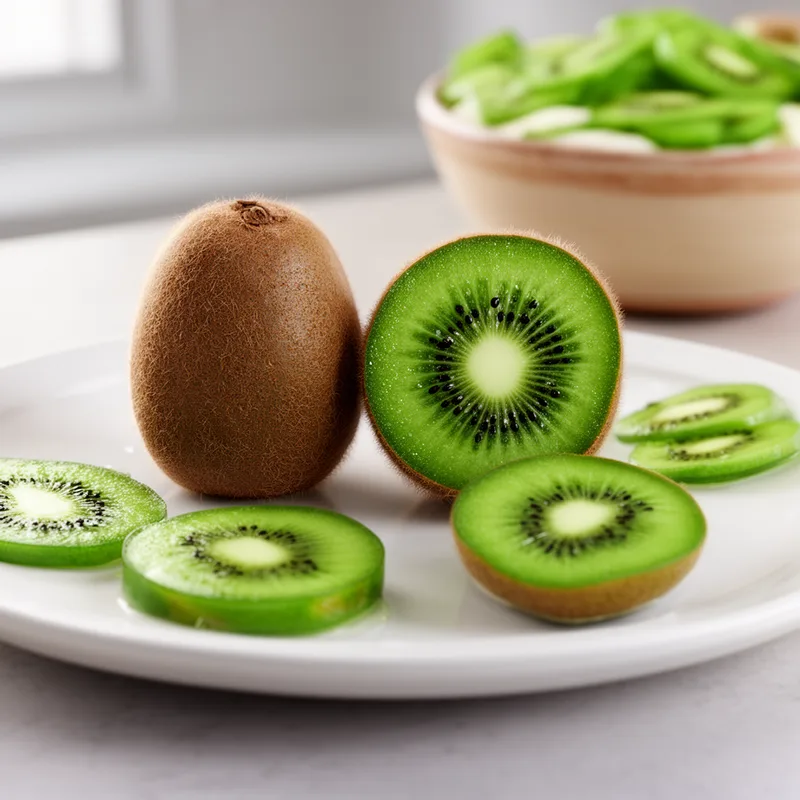
A small brown fuzzy fruit with bright green flesh and tiny black seeds
 1
2.0
1
2.0
A small brown fruit with fuzzy skin, green flesh, and many small black seeds


 1
1.6
1
1.6
An oval brown fruit with fuzzy skin, green inside, and a slightly sour taste, often eaten raw or in desserts
Surface Forms
Morphology
The compound is a straightforward origin+thing construction: 'Chinese' indicates origin and 'gooseberry' names a type of berry, so a learner who knows both words will infer it denotes a berry (or fruit) associated with China. Although historically the term refers to what is now called the kiwi fruit (which is not a true gooseberry), the meaning is still compositionally transparent and predictable to B1 learners.
Etymology
Chinese gooseberry comes from the words Chinese and gooseberry: it was a small, fuzzy fruit from China that reminded people of a tart gooseberry, so the name came to mean that fruit and was later changed to 'kiwifruit' to sell it abroad.