
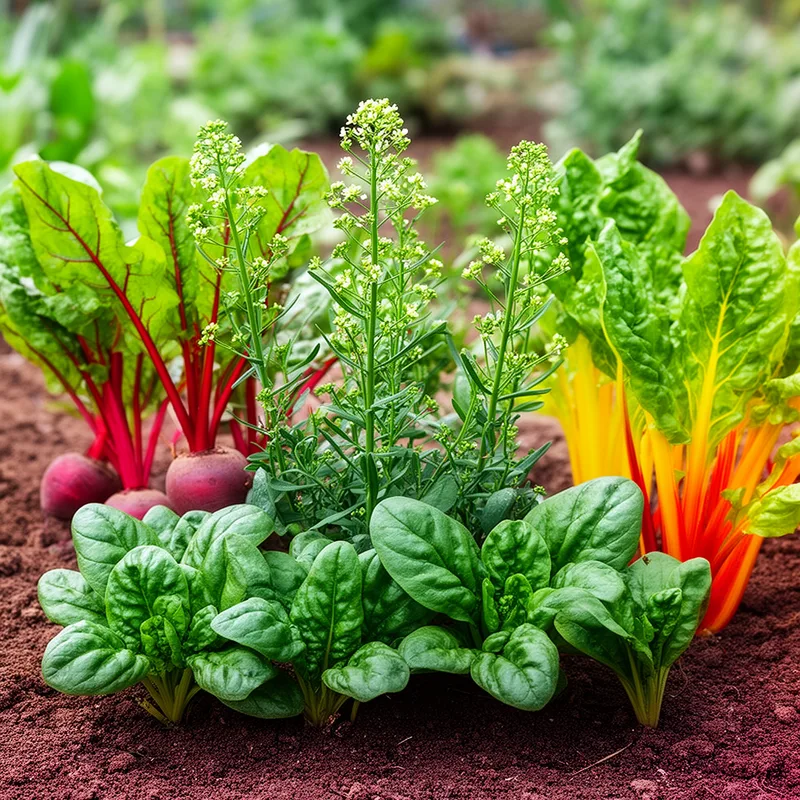
Chenopodiaceae
- noun
- /ˌkɛnəˌpoʊdiˈeɪʃiˌi/
- Specialized
- Botanists now consider Chenopodiaceae a subfamily within Amaranthaceae, but the older name is still encountered.
Examples
-
The Chenopodiaceae family includes plants like spinach and beets.
-
Spinach and beets were once classified under Chenopodiaceae, before taxonomic revisions.
-
The family Chenopodiaceae includes many species adapted to saline environments.
-
Did you know that Chenopodiaceae are often used in salads?
-
Botanists now consider Chenopodiaceae a subfamily within Amaranthaceae, but the older name is still encountered.
-
Spinach and beets were once classified under Chenopodiaceae, before taxonomic revisions.
-
The family Chenopodiaceae includes many species adapted to saline environments.
Synonyms

A group of flowering plants that includes spinach and beets
A group of plants that make flowers, like spinach and beets
Surface Forms
Morphology
Chenopodiaceae = Chenopodium (opaque) = chenopodi + aceae
Formed by adding the specialized botanical family suffix '-aceae' to a Latin genus name; the suffix is a technical taxonomic marker not transparent to average learners.
Etymology
Chenopodiaceae comes from the plant name Chenopodium, which uses Greek parts cheno- 'goose' and -pod 'foot'. Many plants in this family, like spinach and beets, have leaves that look a little like a goose's foot, so the name means 'goose-foot family' and fits their shape.

