

Cephalotus
- noun
- /səˈfælətəs/
- Specialized
- The Cephalotus plant traps insects using its unique pitcher shape.
Examples
-
The Cephalotus is a fascinating example of a carnivorous plant found only in southwestern Australia.
-
The Cephalotus is prized by collectors for its unusual pitcher-shaped traps.
-
Botanists study the Cephalotus to understand the evolution of carnivory in plants.
-
Unlike other pitcher plants, the Cephalotus grows only in a small region of Australia.
-
Did you know that Cephalotus is native to Australia?
-
Many gardeners cultivate the Cephalotus for its striking appearance and insect-catching ability.
-
The Cephalotus has specialized leaves that form pitchers, allowing it to trap and digest prey.
Synonyms

A group of insect-eating plants with one species, the Australian pitcher plant
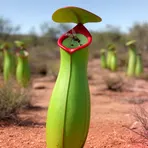
A Western Australian plant that catches insects with green pitcher-shaped leaves with a red edge on the lid
Compounds

- Specialized
A small plant from western Australia with pitcher-shaped leaves that trap insects
- Specialized
A group of insect-eating plants with one species, the Australian pitcher plant
Surface Forms
Etymology
Cephalotus comes from the Greek root cephal- meaning 'head', the same root you see in cephalopod. The plant's pitcher has a lid that looks like a little 'head', so the name points to that head-like part of the trap.

