
Celtis occidentalis
- noun
- /ˈsɛltɪs ˌɑkɪˈdɛnˌtəlɪs/
- Specialized
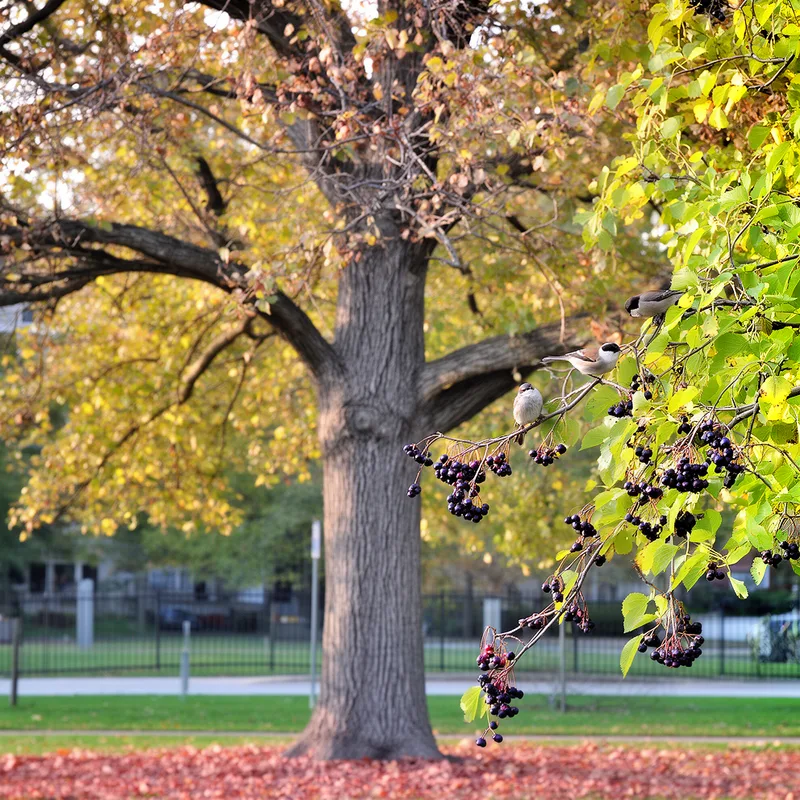
- As autumn arrives, the berries of the Celtis occidentalis turn a rich purple color, attracting birds.
Examples
-
The Celtis occidentalis is favored for urban planting due to its toughness and adaptability.
-
Experts recommend the Celtis occidentalis for shade in southern gardens.
-
The Celtis occidentalis tree provides excellent shade in the summer.
-
Many birds enjoy the berries of the Celtis occidentalis.
-
In the fall, the Celtis occidentalis displays beautiful purple berries that attract many birds.
-
The Celtis occidentalis tree thrives well in urban environments, providing shade and beauty to city parks.
-
Gardeners appreciate the Celtis occidentalis for its durability and the rich habitat it provides for local wildlife.
Synonyms
 1
9.4
1
9.4

A tree with small dark berries and strong wood that grows in many soils
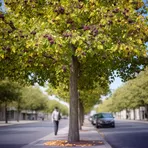
A large tree with small purple berries often planted along streets for shade
Surface Forms
Morphology
Celtis + occidentalis
The binomial is compositionally predictable: 'Celtis' names a genus of trees and 'occidentalis' is a Latin epithet meaning 'western', so the phrase literally denotes the 'western Celtis' (i.e. a type of tree). However, the use of Latin scientific naming and the specialized botanical reference (and the second element not appearing in a standard dictionary) makes immediate comprehension less straightforward for a B1 learner, so the transparency is only partial.
Etymology
Celtis occidentalis is the Latin name for the hackberry tree. The second word, occidentalis, means 'western', so the name points to the tree's home in North America and helps people recognise this large tree with small dark berries.