
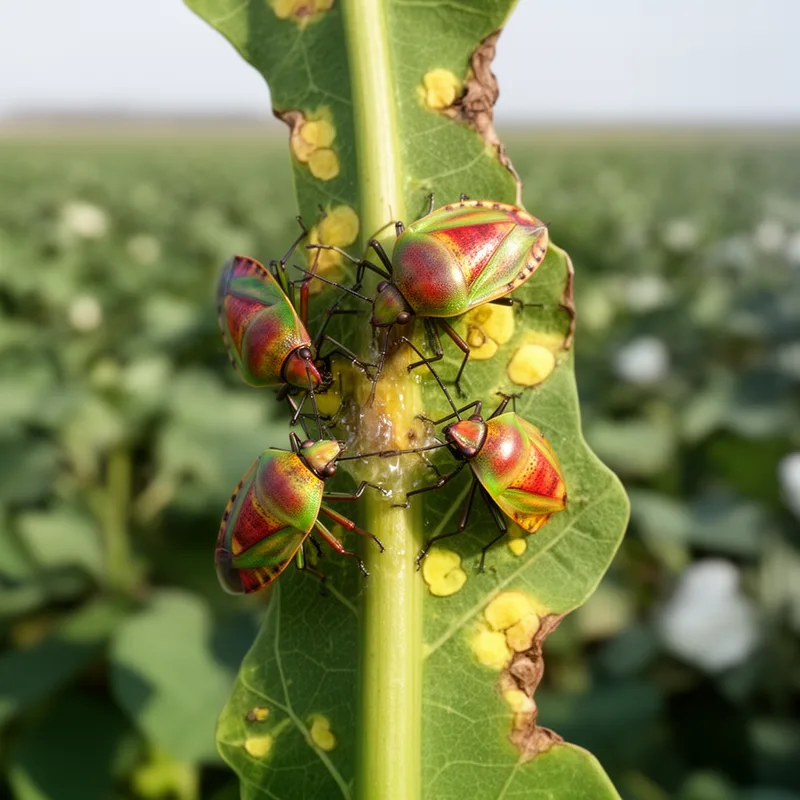
Capsidae
- noun
- /ˈkæpsɪdiː/
- Specialized
- The Capsidae insects are known to extract juice from plants, which can harm crops.
Examples
-
The Capsidae are known for their ability to cause damage to cotton and other crops.
-
Researchers collected several Capsidae specimens from the fields for further study.
-
Many species in the Capsidae family display bright colors and patterns on their bodies.
-
The Capsidae family includes many species that are harmful to crops.
-
Have you seen any Capsidae in your garden?
-
Many species in the Capsidae family are recognized for their bright colors and patterns.
-
Researchers collected various Capsidae specimens to examine their feeding habits.
Synonyms
Small flat insects that feed on plants, called leaf bugs

A large group of small bugs called leaf bugs that feed on plant sap
A large group of small insects called leaf bugs that feed on plants
Compounds
Surface Forms
Morphology
Capsidae = Capsus (opaque) = Caps + idae
The suffix '-idae' is a specialized taxonomic marker meaning 'family' and is not a productive, transparent morpheme for average learners.
Etymology
Capsidae comes from the insect name Capsus plus the family ending -idae, a part that means 'family'. A helpful way to remember it is to link Capsus to the same root in capsule and capsa meaning 'box', so you can picture small plant bugs tucked like little boxes on leaves, which helps explain why Capsidae names this group of leaf and plant bugs.

