

Canadian aspen
- noun
- /kəˈneɪdiən ˈæspən/
- US
- A Canadian aspen can be recognized by its narrow, graceful crown.
Examples
-
In autumn, the leaves of the Canadian aspen turn a brilliant yellow.
-
The forest was dotted with Canadian aspen trees, their leaves shimmering in the breeze.
-
The Canadian aspen grows tall and slender.
-
Many Canadian aspens line the riverbank.
-
A Canadian aspen can be recognized by its narrow, graceful crown.
-
In autumn, the leaves of the Canadian aspen turn a brilliant yellow.
-
The forest was dotted with Canadian aspen trees, their leaves shimmering in the breeze.
Synonyms
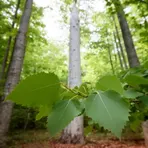
A tree with a narrow top and large toothed leaves native to eastern North America
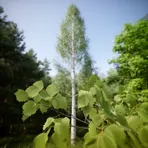
A tree with large jagged leaves and a narrow crown that grows in eastern North America

A poplar tree with large, toothed leaves and a narrow crown

A tree with leaves that have big teeth and a narrow top native to eastern North America

A tree with large leaves that have rough edges and a narrow top
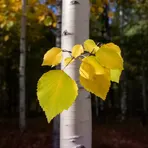
A tree from eastern North America with large leaves that have rough edges and light bark
Surface Forms
Morphology
The meaning 'a species of aspen native to Canada' is directly and transparently composed from 'Canadian' (connected with Canada) + 'aspen' (a type of tree). This adjective + noun pattern signals origin/type and is cross-linguistically common, so a B1 learner who knows both constituents would readily infer the MWE's meaning.
Etymology
Canadian aspen comes from a simple place-name picture: it is the aspen tree people found a lot in Canada and nearby eastern North America. People often added a place name to a plant to show 'where it grows', so the name helps you remember this species of aspen is native to that region.

