
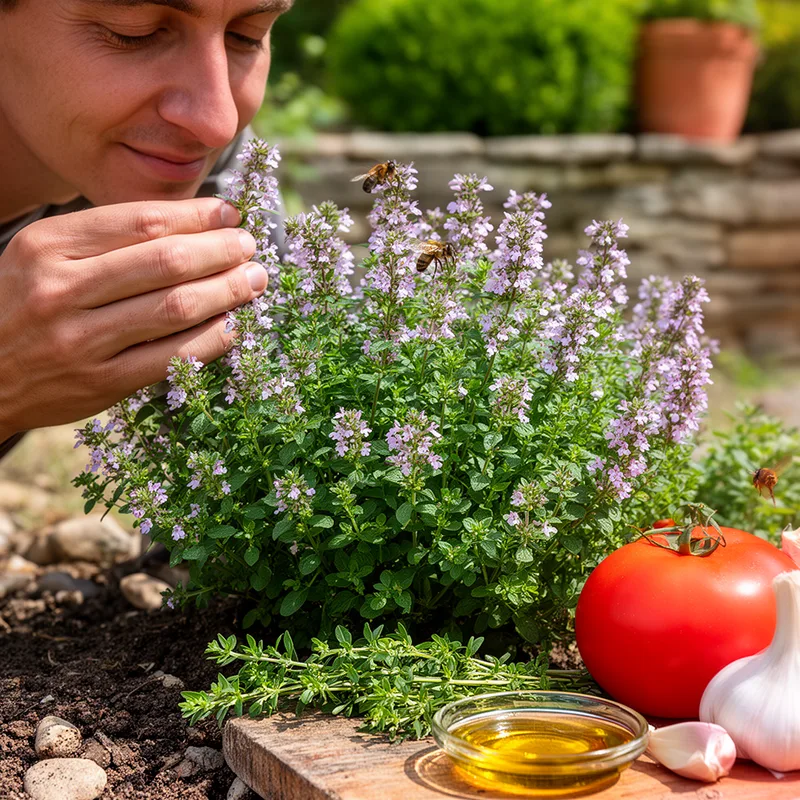
Calamintha nepeta glantulosa
- noun
- Specialized
- The garden included Calamintha nepeta glantulosa for its pleasant scent and culinary uses.
Examples
-
Bees are especially attracted to the flowers of Calamintha nepeta glantulosa during mid-summer.
-
Botanists are studying the spread of Calamintha nepeta glantulosa in American wildlands.
-
The Calamintha nepeta glantulosa is often used in herbal remedies.
-
Have you ever seen a Calamintha nepeta glantulosa plant?
-
Gardeners often choose Calamintha nepeta glantulosa because it attracts beneficial insects like bees.
-
In her herb garden, she planted Calamintha nepeta glantulosa to enhance the aroma and flavor of her dishes.
-
The fragrant leaves of Calamintha nepeta glantulosa can be used to make herbal teas.
Synonyms

A low-growing herb with strong-smelling leaves used in gardens and teas

A low, strong-smelling plant that grows back each year and is used in gardens and teas
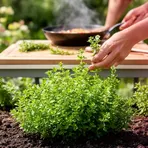
A low herb with a strong scent often used in cooking and gardens
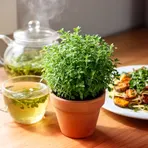
A small herb with a strong smell used to add flavor to food and make herbal tea
Surface Forms
Morphology
Calamintha + Nepeta + glantulosa
This is a scientific Latin taxon name (genus + species/subspecies) rather than an English compositional phrase; knowing 'Calamintha' or 'Nepeta' as plant genera does not allow a B1 learner to derive the descriptive sense (low-growing, strongly aromatic perennial) and 'glantulosa' is not a recognizable English morpheme. Botanical Latin names function as labels and require domain-specific knowledge, so the overall meaning is not predictable from the constituents for an average learner.
Etymology
Calamintha nepeta glantulosa is a Latin plant name that paints a simple picture: Calamintha connects it to 'calamint', a mint-like herb, nepeta links it to 'catnip', and glantulosa may come from a word for 'many little drops' on the leaves that hold the plant's strong smell. So the name helps you remember it is a low, strongly scented herb often grown for its pleasant smell and for cooking.

