
Bifidobacterium
- noun
- /ˌbɪfɪdoʊˈbæktɪriəm/
- Specialized
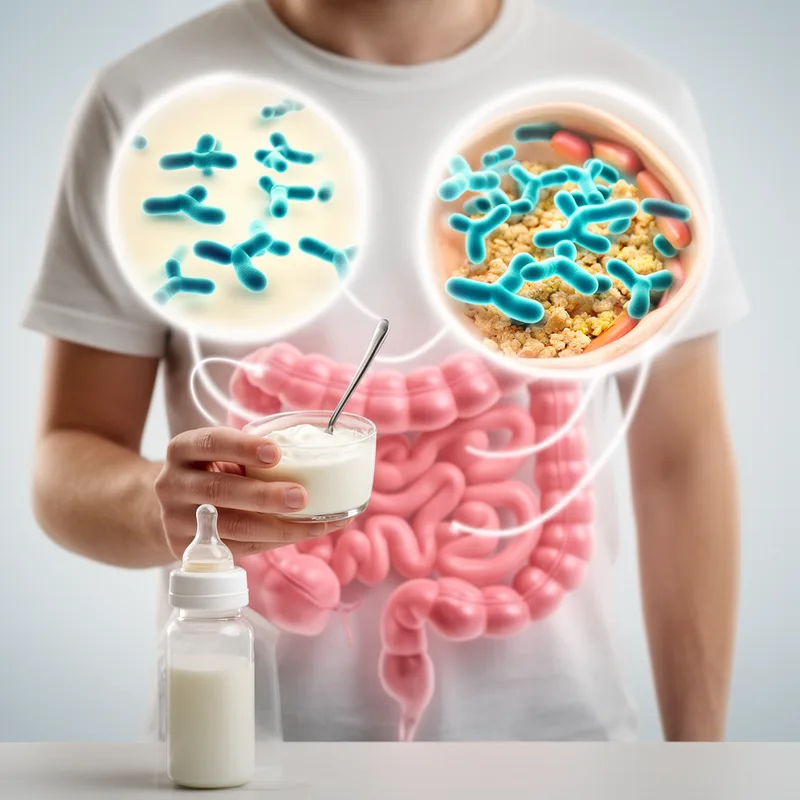
- Breast milk is known to naturally increase the levels of Bifidobacterium in infants' intestines.
- Bifidobacterium strains
- Bifidobacterium and Lactobacillus
Examples
-
Many experts recommend consuming probiotics that contain Bifidobacterium to enhance gut health.
-
Similar to gut dysbiosis in response to early life insult, age-associated succession of gut microbiota in worker bees shows increased Proteobacteria with relative decreases in core Bifidobacterium and Lactobacillus, the same general results found in many other microbiota.
Academic text (2018) -
So breast milk would increase the concentration of bifidobacteria and from formula would increase the concentration of firmacutase.
-
Breast milk contains oligosaccharides and they feed bifidobacteria, and bifidobacteria benefit the baby's immune system.
-
Supplementing your diet with Bifidobacterium can improve digestion and boost your immune system.
Synonyms

A helpful bacterium that lives in the gut and helps digestion
How Beneficial


Surface Forms
Morphology
Bifidobacterium = bifid + bacterium (opaque) = bifid + bacterium
Although the elements 'bifid' and 'bacterium' are etymologically visible, the term is a specialized Latinized scientific name (with a linking vowel) and its use/meaning is technical, so an average B1 learner cannot reliably derive the sense.
Etymology
Bifidobacterium comes from parts that mean 'split in two' (bifid) and 'small rod' (bacterium). So the name describes these friendly, rod-shaped bacteria that often look split and are used in yogurts and supplements to help digestion.