
Benzoin
- noun
- /ˈbɛnzoʊɪn/
- Specialized
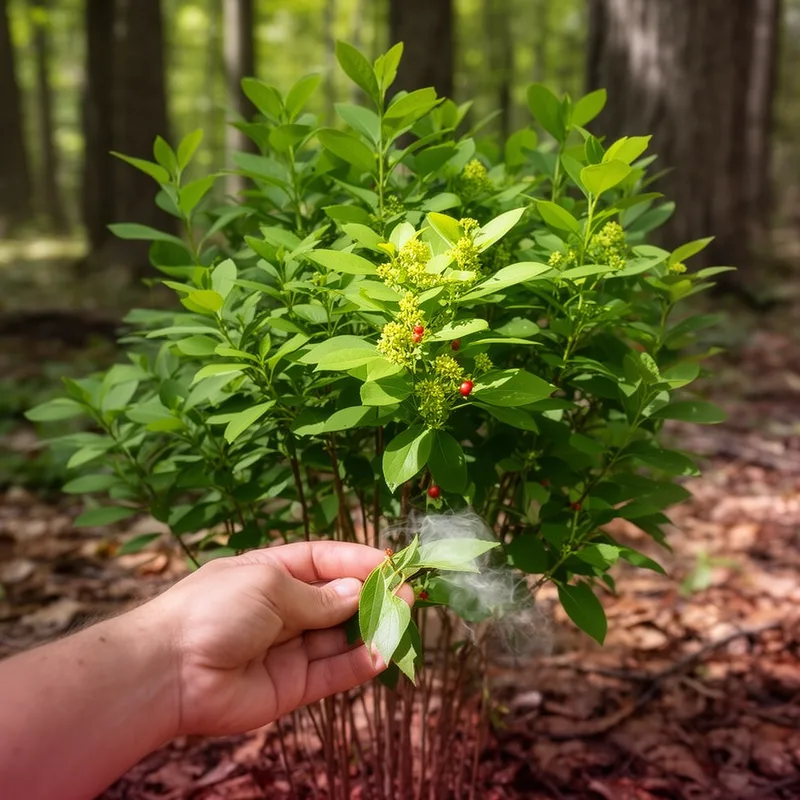
- Botanists sometimes classify the spicebush under the genus Benzoin rather than Lindera.
Examples
-
Several species of the Benzoin genus are native to eastern North America.
-
The leaves and twigs of some Benzoin species emit a spicy fragrance when crushed.
-
The Benzoin shrub is known for its aromatic leaves.
-
Many people enjoy the scent of Benzoin in potpourri.
-
The botanist studied the native plants, including the benzoin, which thrives in the moist shade of the forest.
-
Many people use benzoin for its fragrant flowers, which attract various pollinators in the spring.
-
In herbal medicine, benzoin is often valued for its soothing properties and is used in various remedies.
Compounds

- Specialized
A small shrub with fragrant leaves, yellow flowers, and red or yellow berries

- Specialized
A fragrant sticky substance from a tree in Sumatra used in perfumes, incense, and medicines

- Specialized
A shrub with fragrant leaves and bark, yellow flowers, and red or yellow berries
- Specialized
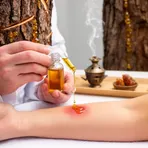
A sticky substance from trees with a sweet scent used to protect skin and scent perfumes and incense
- Specialized
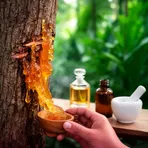
A fragrant sticky substance from trees that grow in Sumatra used in perfumes and medicine
Surface Forms
Etymology
The word Benzoin comes from an old Arabic phrase lubān jāwī meaning 'incense of Java', which reached Europe as the name for a fragrant resin. That's why some shrubs are called Benzoin: their leaves and twigs give a spicy, incense-like smell when crushed.

