
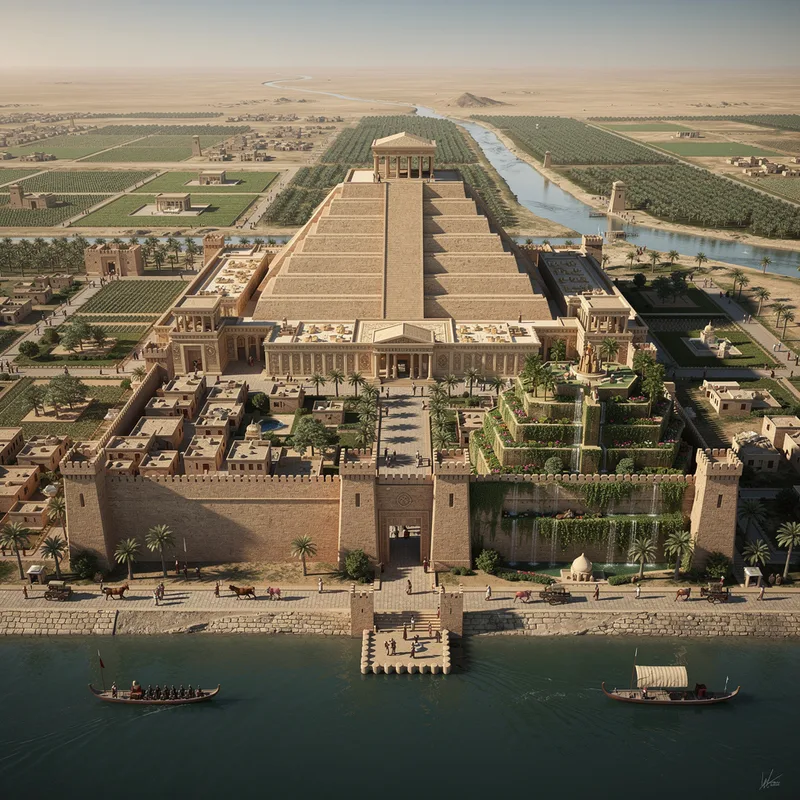
Babylonia
 3
9.1
3
9.1

- proper noun
- /ˌbæbɪˈloʊniə/
- Scholars study the clay tablets from Babylonia to learn more about its laws and culture.
- Babylonia and Assyria
- conquered Babylonia
- Babylonia around 1225 B.C.
Loading YouTube…
Watch on YouTubeIt turns out we had a PhD student at Yale who has just written a dissertation on wages and prices in Babylonia.
- It turns out we had a PhD student at Yale who has just written a dissertation on wages and prices in Babylonia.
- It was created in one part of the world, Summer and Babylonia and southern Mesopotamia.
Examples
-
Ancient Mesopotamia saw the land divided into Babylonia in the south and Assyria in the north.
Academic text (2011) -
Babylonia was not an Arab state but an Acadian civilization.
Academic text (2007) -
Babylon, an ancient city in Babylonia, in modern Iraq, on the Euphrates River.
Blog text (6) -
Upon conquering Babylonia in 539 BCE, Cyrus the Great found thousands of Jews in captivity there.
Academic text (2007) -
The Babylonian historian Berossos, who lived in the third century B.C.E., wrote a mythological history of Babylonia, which is now lost but was quoted by later Greek historians.
Academic text (1995) -
Ancient Babylonia was known for its impressive architectural achievements and advances in mathematics.
-
The city of Babylonia, located in ancient Mesopotamia, was once one of the largest and most important centers of civilization.
Synonyms

 1
9.9
1
9.9
An ancient area in southern Mesopotamia where Babylon was once the main city

An ancient kingdom in southern Mesopotamia known for the city of Babylon
Surface Forms
Morphology
Etymology
Babylonia comes from the ancient city Babylon, whose old name Bāb-ilu meant 'gate of god'. So Babylonia literally means the land around that famous 'gate', which helps you remember it as the powerful kingdom built around the city of Babylon.