

Anthropocene
- adjective
- /ˌænθrəˈpoʊsiːn/
- Specialized
- The Anthropocene era is characterized by significant human impact on the Earth's geology and ecosystems.
Examples
-
Becoming energy smart is another Anthropocene challenge with global warming now taking off and efficiency can do only so and so much.
-
Many scientists argue that climate change is one of the most pressing issues of the Anthropocene.
-
As we enter the Anthropocene, it is crucial to reconsider our relationship with nature and the resources we use.
Synonyms
 17
9.1
17
9.1

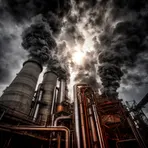
Change or pollution caused by human activity
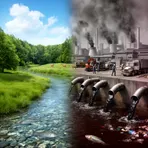
Caused by people rather than by nature
Surface Forms
Morphology
Anthropocene = anthropo + cene
Same formation as the noun: composed of Greek combining forms for 'human' + the geological '-cene' suffix; understandable in concept but not fully transparent to learners unfamiliar with these combining forms.
Etymology
Anthropocene as an adjective comes from the Greek parts anthropos ('human') and -cene ('new era'), like in anthropology and Holocene. So to call something Anthropocene is to say it is 'caused by' or 'connected to' the big changes people have made to the Earth.