
Africanism
- noun
- /ˌæfrɪˈkænɪzəm/
- These include a series of intellectual and political influences on the formation of the BCM, such as the Black Power movement in the USA, the anti-colonial writings of Fanon and Cabral, and the traditions of Africanism within South Africa itself.
Examples
-
Thus, Morrison couples Twain and Poe; in the works of both, she says, "the concept of the American self was similarly bound to Africanism, and was similarly covert about its dependency" (57-58).
Academic text (1994) -
The phenomenon among African Americans identified as soul is none other than the contemporary manifestation of Africanisms.
Academic text (1992) -
Vitz: He has the conflicts and he has the tension between his Americanism and his Africanism.
-
Various scholars define these characteristics that have been retained by African Americans in the New World as Africanisms: elements of African culture that permeate all African-American life, whether religious or secular.
Academic text (1992) -
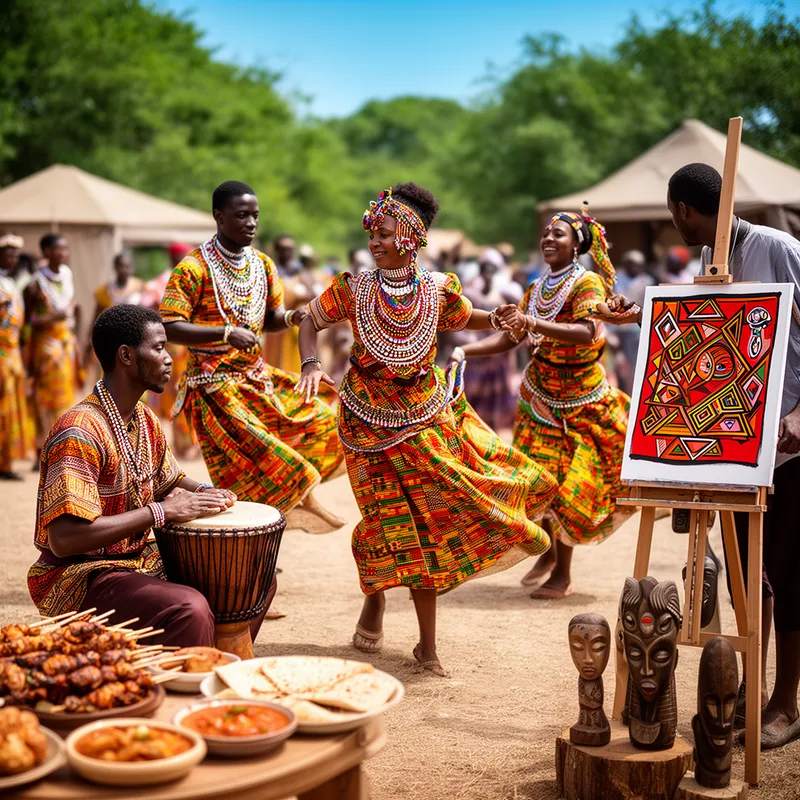
Many aspects of African culture are evident in Africanism, such as music, dance, and oral storytelling.
-
The study of Africanism helps us understand the rich customs and traditions of African people.
-
Her artwork reflects her appreciation for Africanism, showcasing vibrant colors and traditional patterns.
Surface Forms
Morphology
Etymology
Africanism is formed from African and the ending -ism, which names a style or quality. So Africanism can mean the 'customs or characteristics' of Africa, for example a way of making art, music, or telling stories that shows its African roots.

