
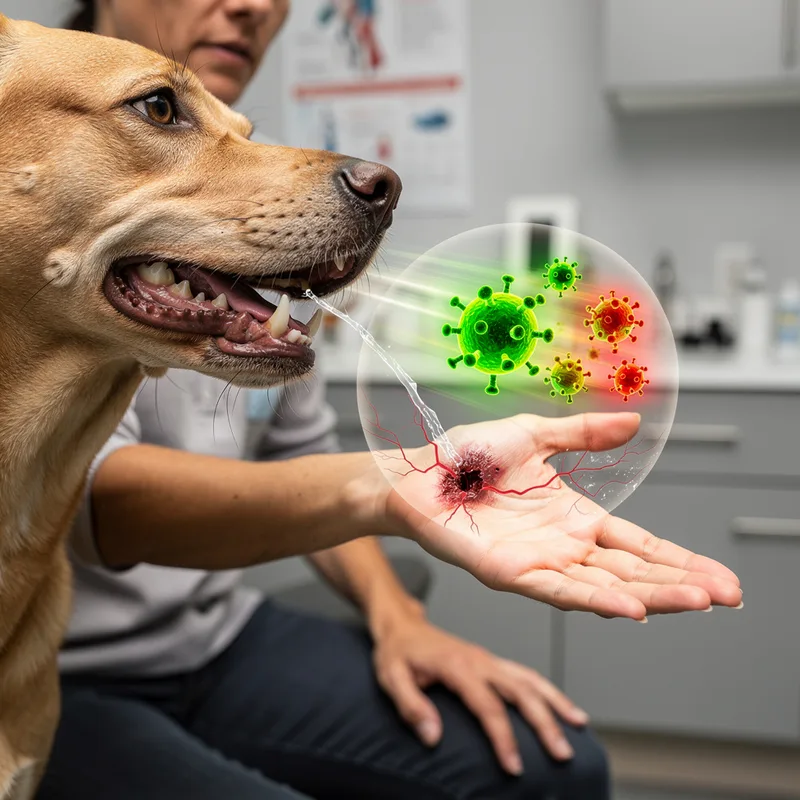
zoonotic
 1
7.1

- adjective
- /zuˈnɑtɪk/
- Specialized
- Fifty-six zoonotic diseases are responsible for an estimated 2.5 billion cases of human illness, and 2.7 million deaths a year.
- zoonotic disease
- zoonotic transmission
- zoonotic pathogen
Loading YouTube…
Watch on YouTubeThe third one is, is zoonotic spillover from wild, wild animals.
- The third one is, is zoonotic spillover from wild, wild animals.
- One is just the incursion of people into places where animals and zoonotic infectious diseases are endemic.
- And they have a long list of what are called zoonotic diseases.
Examples
-
Many of these emerging diseases are zoonotic in origin.
-
Vietnam is among the countries experiencing the highest number of human fatalities caused by zoonotic H5N1 subtype infections.
Academic text (2013) -
And they have a long list of what are called zoonotic diseases.
-
Monkeypox is a zoonotic disease, which means it was in a animal reservoir and jumped to human.
-
Toxoplasmosis is a zoonotic infection that is transmitted to humans by other mammals.
Academic text (2006) -
Streptococcus suis, a zoonotic pathogen found primarily in pigs, can cause serious infection in humans.
Academic text (2015) -
Bovine tuberculosis has one of the broadest host ranges of any known zoonotic pathogens.
Academic text (2015) -
Rabies is an acute progressive encephalitis caused by highly neurotropic zoonotic lyssaviruses.
Academic text (2012) -
Many of these emerging diseases are zoonotic in origin.
-
Streptococcus suis, a zoonotic pathogen found primarily in pigs, can cause serious infection in humans.
Compounds
Surface Forms
Morphology
zoonotic = zoonosis (transparent) = zoon + otic
Formed by a standard medical adjective formation from 'zoonosis' (relating to diseases transmitted from animals), so the relation is directly derivable from the base.
Etymology
Zoonotic comes from the Greek root zoon meaning 'animal', the same root you see in zoo and zoology. So a zoonotic disease is one that passes from animals to people.