

zonite
- noun
- /ˈzoʊnaɪt/
- Specialized
- A zonite is an essential part of the structure of certain marine worms, helping them to move and function.
Examples
-
Each zonite on the caterpillar's body serves a specific purpose, including movement and support.
-
In arthropods, such as crabs, a zonite allows for the distinct segmentation of their bodies.
-
We find a new division between "zonites" and "victims"; and the question of injustice comes to be distributed along new geographies and in relation to new borders.
Academic text (1998) -
If then, in relation to the "artificialization of life," we need to invent new strategies of singularization, in relation to this new division of zonites and victims, we need to reinvent politics, extending it into the problematic borders of and in our very view of justice.
Academic text (1998)
Synonyms
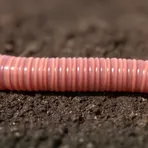
A repeated body section in animals like worms or insects
Surface Forms
Morphology
Etymology
Zonite comes from the same root as zone, meaning 'belt' or 'area', plus the ending -ite that makes it a name for a part. So a zonite is like a 'belt' or segment of an animal's body, which is why worms and centipedes have many repeating zonites.

