

zinc phosphate dental cement
- noun
- Specialized
- The dentist selected zinc phosphate dental cement to attach the permanent crown securely.
Examples
-
When mixing zinc phosphate dental cement, it's important to achieve the right consistency for proper adhesion.
-
One advantage of zinc phosphate dental cement is its long history of reliable use in restorative dentistry.
-
The dentist used zinc phosphate dental cement for the crown.
-
Have you heard about zinc phosphate dental cements?
-
The dentist selected zinc phosphate dental cement to secure the dental restoration effectively.
-
When using zinc phosphate dental cement, proper mixing is crucial for optimal strength and adhesion.
-
Many dental professionals prefer zinc phosphate dental cement for its reliability in securing metal restorations.
Synonyms

 4
6.7
4
6.7

A material dentists use to attach crowns or fill gaps in teeth
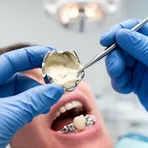
A hard dental paste used to fix metal crowns and bridges
Surface Forms
Morphology
zinc + phosphate + dental + cement
The phrase is fully compositional: 'zinc' + 'phosphate' indicates the chemical composition, 'dental' specifies the field/use, and 'cement' names an adhesive material, so a learner who knows those words can infer 'a dental adhesive made from zinc phosphate'. Although technical, the noun–noun modification pattern is regular and cross-linguistically common, making the meaning predictable from its parts.
Etymology
Zinc phosphate dental cement is named for its main parts: zinc and phosphate, which are mixed to make a hard cement used in the mouth. Dentists use it like building cement to 'glue' crowns and to protect the tooth as a base, so the name explains both its ingredients and its job.