
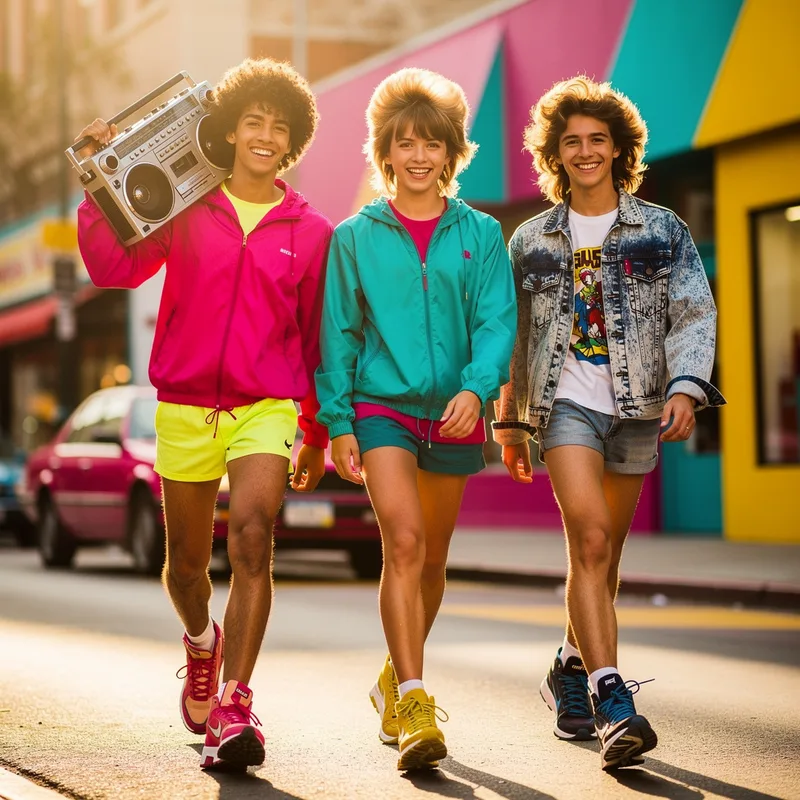
Zeitgeist
 16
9.1

- noun
- /ˈzaɪtɡaɪst/
- Deputy Speaker, the Chick of Edinburgh represented the zeitgeist of a changing Britain.
- the current zeitgeist
- zeitgeist spirit
Loading YouTube…
Watch on YouTubeSo if more people are, it's the zeitgeist, it's it's the norm.
- So if more people are, it's the zeitgeist, it's it's the norm.
- If you're not sipping lean, you're not in the zeitgeist of, of the rap world right now.
- And then Sundance just exploded as this platform for the zeitgeist.
- And it was either going to strike and be a part of the zeitgeist or it wasn't.
- Was kind of the peak zeitgeist for public concern around the debts and deficits.
- And if it was happening in the zeitgeist, would you do it or would you walk away?
- It triggers an entire sequence of shift A a a zeitgeist shift, which is important when you need it.
- And so he made his jokes were created and at a time when the zeitgeist was progressive for that time.
- I think what's beautiful for Holly and Co is we are, we are right in the zeitgeist of what people are feeling.
- And there is a lot, rightly so, of focus in the popular zeitgeist around mindset, about understanding the mind.
Examples
-
Perhaps the idea of human rights had become part of the Zeitgeist, with irresistible appeal.
Academic text (1990) -
His work has hit a nerve in the collective zeitgeist of the art community.
Fiction book (1995) -
You know, how cities change because of these new ideas and kind of the zeitgeist in some ways.
-
But like right now, is she in like the zeitgeist a bunch right now?
-
And if it was happening in the zeitgeist, would you do it or would you walk away?
-
So you need people like that in your world who attach you to the zeitgeist, who actually see what's going on, right?
-
I think what's beautiful for Holly and Co is we are, we are right in the zeitgeist of what people are feeling.
-
Honestly, she really captures the zeitgeist.
-
I have expressed and woven together ideas that are very much in the zeitgeist.
Academic text (1998) -
Many novels reflect the zeitgeist of their time by exploring the prevailing social issues and ideas.
How Representative

Surface Forms
Etymology
Zeitgeist comes from the German parts Zeit ('time') and Geist ('spirit' or 'mind'), the same idea as the English word 'spirit', so it literally means 'spirit of the time'. That's why Zeitgeist describes the mood and ideas that define a particular period.