

yacca podocarp
- noun
 :
podocarpo yacca
:
podocarpo yacca
- The yacca podocarp is commonly found in the subtropical forests of the West Indies.
Examples
-
Gardeners value the yacca podocarp for its distinctive, elongated leaves.
-
The yacca podocarp thrives in tropical climates.
-
Researchers studied the unique adaptations of yacca podocarp to dry habitats.
-
Many gardeners love the yacca podocarp for its unique leaves.
-
The yacca podocarp is a popular choice among landscapers in the West Indies due to its attractive foliage.
-
In the lush forests of the Caribbean, the yacca podocarp adds to the region's biodiversity with its evergreen leaves.
-
You can often see the yacca podocarp standing tall in gardens across the West Indies, admired for its long leaves.
Synonyms
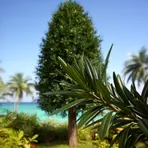
A Caribbean evergreen tree with long, leathery leaves
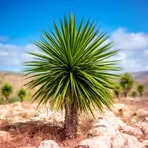
An evergreen tree or shrub from the Caribbean with long leaves
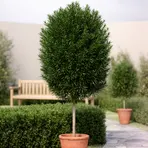
An evergreen tree or bush from the Southern Hemisphere often grown in gardens
Surface Forms
Morphology
Both constituent nouns refer to plant characteristics ('yacca' = tree/shrub with long leaves; 'podocarp' = an evergreen tree), so the compound denotes a specific kind of evergreen tree with long/medium leaves. This is a straightforward noun-noun botanical compound following regular composition patterns, so a B1 learner who knows the parts can infer the overall meaning.
Etymology
Yacca podocarp may come from a local West Indian word yacca for a long-leaved plant and podocarp, an old word that pictures a fruit on a small stalk called a 'foot'. So the name gives the image of a long-leaved evergreen with low fruit, which helps you remember this West Indian plant.

