
xylem
 1
9.3

- noun
- /ˈzaɪləm/
- Specialized
- Once absorbed, however, the iron doesn't simply head straight for the seed through the plant's waterway, known as the xylem transport system.
- xylem transport
Examples
-
Genetic modification of nondigestible xylem tissue would make stems better cattle feed and enhance their conversion to ethanol.
Academic text (2002) -
Many green-stemmed shrubs and trees have relatively wide vessels in the xylem to carry water from wet soil to the transpiring shoots (Gibson 1996).
Academic text (1998) -
Then she carefully inserts a single egg about the size of a rice grain through the hole and underneath the inner bark onto the outer surface of the wood, or xylem.
Academic text (2000) -
Hardwoods with different xylem tissue, like birch, aspens, and willows, stay afloat only 6-10 months.
Blog text (9) -
Reasoning that the plant's total metabolic rate must closely correspond to the rate of xylem transport (essentially nutrient supply), Enquist went on to see if there might be a plant version of Kleiber's Law.
Academic text (1998) -
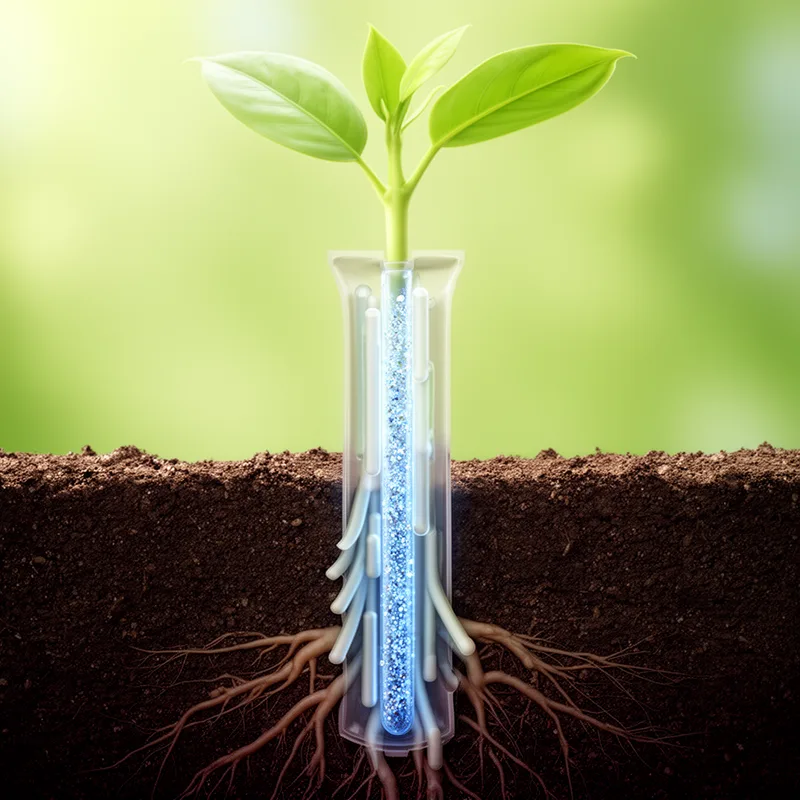
The xylem transports water and nutrients from the roots to the rest of the plant.
-
In trees, the xylem forms the hard, woody structure that provides support.
-
During the spring, the xylem vessels are crucial for carrying water up to the new leaves.
Surface Forms
Etymology
Xylem comes from the Greek root xylon, which means 'wood'. You can remember it by thinking of the same root in xylophone, a wooden musical instrument. So xylem are the plant's wooden tubes that carry water and minerals from the roots and help make the stem or trunk strong.