

xeroma
- noun
- /zɪˈroʊmə/
- Specialized
- Vitamin A deficiency can lead to xeroma, which causes dryness in the eyes.
Examples
-
Vitamin A supplementation helped improve her symptoms of xeroma.
-
The patient was diagnosed with xeroma after complaining of persistent eye discomfort.
-
Prolonged lack of tear production can result in xeroma.
-
The patient was diagnosed with xeroma last week.
-
Many people are unaware of xeroma and its causes.
-
The doctor explained that xeroma occurs when the eyes do not produce enough tears.
-
After her examination, the optometrist confirmed that she had developed xeroma from prolonged exposure to dry air.
Synonyms

A severe dryness of the front of the eye often caused by not enough vitamin A

A condition where the clear layer over the eye becomes very dry and irritated often from lack of vitamin A
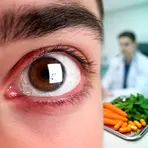
A very dry front of the eye that causes blurred vision, often from low vitamin A
Antonyms



How Dry
- Specialized

- Specialized
- Specialized
- Specialized
 1
4.0
1
4.0
Surface Forms
Morphology
xeroma = xero + oma
The elements 'xero-' and '-oma' are medical combining forms that are not productive standalone English words for an average B1 learner, so the meaning is not readily derivable from familiar base words.
Etymology
The word xeroma comes from the Greek root xēros meaning 'dry' and the medical ending -oma meaning 'condition'. So, xeroma is literally a 'dry' condition of the surface of the eye, which is why it refers to abnormal eye dryness.