

wyvern
 3
9.9
3
9.9

- noun
- /ˈwɪvərn/
- Literature
- The artist painted a magnificent wyvern soaring above the castle in the sunset.
- wyvern chick
- wyvern hatching
- wyvern hide
Examples
-
The Monoblos is the largest wyvern you will have fought up to now.
Blog text (16) -
Kaverin removed a small book bound in wyvern hide from his pocket.
Fiction book (1992) -
The wyvern settled slowly to the floor, ambled to the couch, and lay down.
Fiction book (2001) -
The wyvern's middle head glared down at the doctor.
Fiction book (2001) -
Now the smoke was clearing, and the wyvern could be seen lying in a spavined, sprawled, sanguine heap, each head smiling contentedly.
Fiction book (2001) -
Ran wandered, gazing through the barred windows at displays of seajade, dwarfen gold, bloodpearl earrings, and necklaces of wyvern teeth.
Fiction book (1994) -
Farther along, a wyvern rose out of the clouds along the cliff face—a segmented omnivore bigger than a flock of rocs and twice as menacing.
Fiction book (2000) -
The heraldic shield featured a fierce wyvern with its wings spread wide.
-
In medieval tales, knights often battled the fearsome wyvern to protect their kingdoms.
Synonyms
 474
2.0
474
2.0
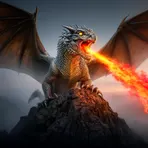
A large imaginary animal like a giant lizard with wings that often breathes fire
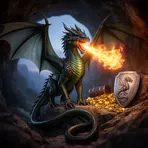
A dragon with two legs, wings, and a long snake-like tail that breathes fire

A large winged lizard from European stories that breathes fire and hoards treasure

A female imaginary creature with wings that breathes fire
Surface Forms
Etymology
The word wyvern comes from an old French word wivre, from Latin vipera which means 'viper' or 'snake'. That image of a winged snake helps explain why a wyvern is shown as a two-legged, winged dragon with a barbed, snake-like tail.