
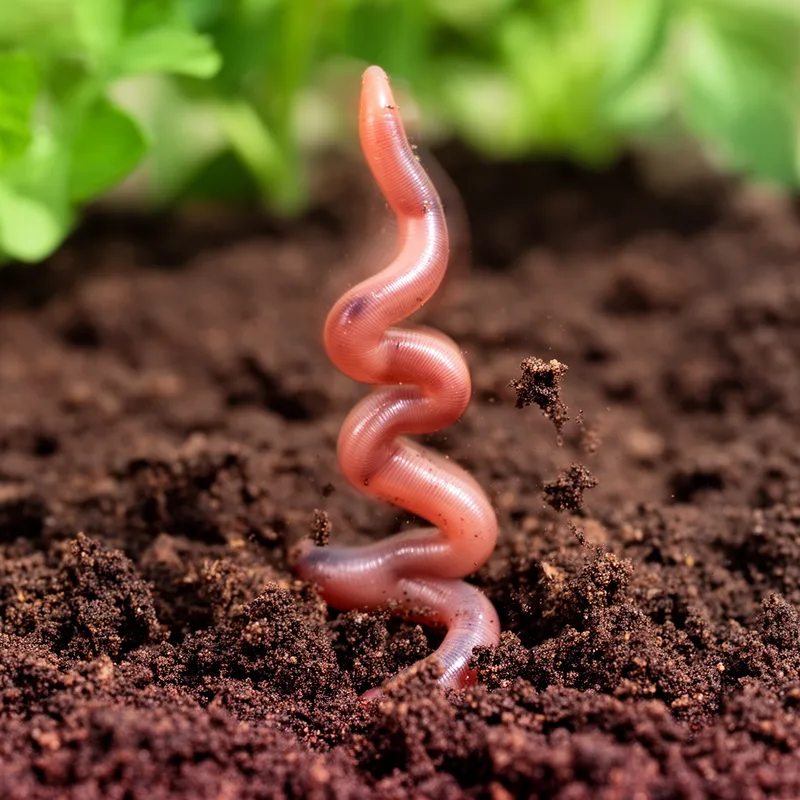
wriggly
 1
4.3
1
4.3

- adjective
- /ˈrɪɡli/
- As I watched the fish in the tank, I noticed one particularly wriggly one darting around.
- a wriggly little worm
Loading YouTube…
Watch on YouTubeYou know, big gums, A wriggly big gums.
- You know, big gums, A wriggly big gums.
Examples
-
Otis remembered himself, the boy, drowsing on the seat beside his father, his head on his father's thigh, half asleep, trying to make his wriggly body comfortable on the car seat, kicking again and again at the dashboard and at the tall, green-knobbed floor shift of the Nash.
Fiction book (1990) -
The wriggly worm squirmed under the soil, searching for food.
-
And what about this wriggly thing?
Fiction book (1998) -
It's making awful wriggly shadows all across the glass.
-
Then you come along, this wriggly, little thing I couldn't even recognize.
-
We won't be just a wriggly little worm on the map with a canal, will we?
-
OK, so Zoe is a long, wriggly route talker.
-
Her bodysuit tugged and contracted, mimicking a wriggly weight in her arms.
Fiction book (1994) -
Carefully comb Kitty, which snags the fleas; use your thumb to contain the wriggly flea in the comb.
Blog text (7) -
The baby was so wriggly during the diaper change that it was hard for her mother to keep still.
Synonyms
 11
4.7
11
4.7
A road or story with many bends and sudden changes
 8
3.5
8
3.5
A shape or movement with many small bends like a worm
 8
3.9
8
3.9
Wavy and twisting like a loose line
 4
7.6
4
7.6
Winding and twisting like a snake
 1
3.5
1
3.5
Moving in a restless, wiggly way
 1
3.6
1
3.6
Having a long thin body that moves like a worm


 1
9.9
1
9.9
Having a long, winding shape like a snake

Moving with small twisting and squirming movements like a worm
Moving by twisting and turning like a snake

Moving with many curves like a snake or acting in a sneaky way
Antonyms

How Wriggly

Surface Forms
Morphology
Etymology
Wriggly comes from an old English verb wriggle, from an original word that meant 'to twist' or 'turn'. Think of wiggle — a wriggly animal makes that twisty, squirming movement, so we use the word for worms, fish, or playful puppies.