
to wreak
 76
7.5
76
7.5

- verb
- /riːk/
- Almost every year, a disease called head scab wreaks havoc somewhere in America.
- wreak havoc
- wreak vengeance
- wreak damage
Loading YouTube…
Watch on YouTubeIf you don't do that, you'll wreak havoc on the system.
- If you don't do that, you'll wreak havoc on the system.
- It's the cheapest way to wreak absolute havoc on our nation.
- So where do I think these sweeteners potentially wreak the most havoc?
- That's a problem if you are letting another woman wreak havoc in your relationship.
- They'd used magic to wreak harm on another, violating the First Law.
- So it's it's incompatibility in the sense of it is very likely to wreak a lot of havoc.
- Like if it had been me in a car in Vegas and got, you know, he would have wreaked havoc.
- But this comes after years of wreaking havoc on spouses, partners, family members and children.
Examples
-
It's the cheapest way to wreak absolute havoc on our nation.
-
But the blizzards wreaked the most havoc.
-
You have no idea how much pain I'm gonna wreak on you.
-
By playing the part of a student, he plans to wreak havoc on us all!
-
That was the use of scientific knowledge to wreak terrible havoc on massive populations.
-
And it was about some high school students who wreaked some havoc on the Internet.
-
The constant change of software versions is wreaking havoc with many large firm networks.
Academic text (1999) -
If you don't do that, you'll wreak havoc on the system.
-
And we know that that alcoholism wreaks havoc on relationships.
-
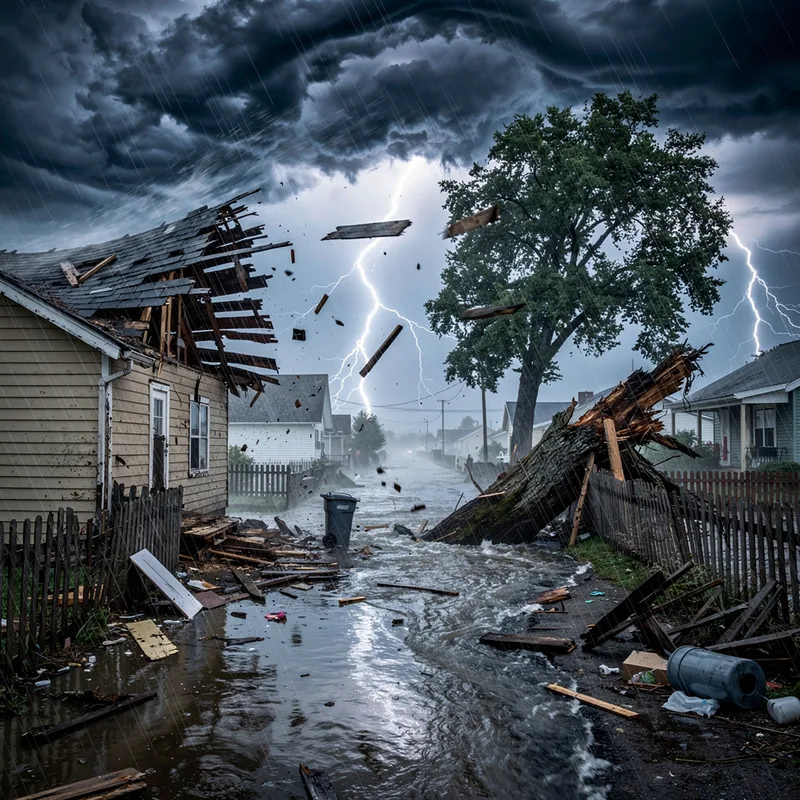
The storm began to wreak havoc across the coastal towns, causing widespread destruction.
Synonyms
 ∞
1.0
∞
1.0
To cause something to happen or create a change
 245
6.2
245
6.2
Make someone feel pain or suffer harm
 221
4.9
221
4.9
To destroy something greatly or make people feel deeply shocked and sad
 30
8.7
30
8.7
To severely damage something so it cannot be used
Antonyms


How Harmful

Surface Forms
Etymology
The word wreak comes from an old English verb that meant 'to drive out' or 'to punish', so it has long meant causing something bad to happen. A helpful way to remember it is to think of wreak like wreck, which also means damage, and that is why we say 'wreak havoc' to mean 'cause great harm'.