

woolly apple aphid
- noun
- /ˈwʊli ˈæpəl ˈeɪfɪd/
- Specialized
- A sticky, white substance on the bark is often a sign of woolly apple aphid activity.
Examples
-
Gardeners recommend monitoring trees regularly to detect the presence of woolly apple aphid colonies early.
-
The orchard suffered significant damage due to an infestation of woolly apple aphid.
-
The woolly apple aphid can severely damage apple trees.
-
Farmers often struggle with woolly apple aphids in their orchards.
-
A sticky, white substance on the bark is often a sign of woolly apple aphid activity.
-
The orchard suffered significant damage due to an infestation of woolly apple aphid.
-
Farmers often struggle with woolly apple aphid infestations in their orchards.
Synonyms
 14
5.6
14
5.6

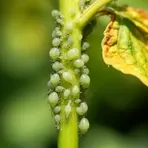
A small insect that sucks sap from plants and often damages them
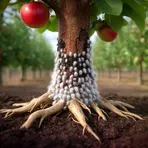
A small woolly insect that feeds on the bark and roots of apple trees

A small insect that eats the bark and roots of apple trees
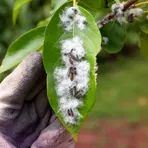
A small insect that makes a white, cotton-like covering on plants

A small insect that looks like white cotton on plants and sucks their juice
Surface Forms
Morphology
The meaning is directly built from the constituents: 'woolly' describes the insect's fluffy appearance, 'apple' indicates the host plant, and 'aphid' names the sap-sucking insect, so a learner can infer it is a wool-covered aphid on apple trees. This descriptive noun-noun compound follows common compositional patterns in English (and similar constructions in other languages), making it immediately comprehensible to a B1 learner who knows the parts.
Etymology
The name woolly apple aphid comes from what the insect looks like: tiny aphids on apple trees covered in white, fluffy 'wool'. That's why the name means 'a small pest that feeds on apple trees' and helps you remember it can damage bark and roots.