
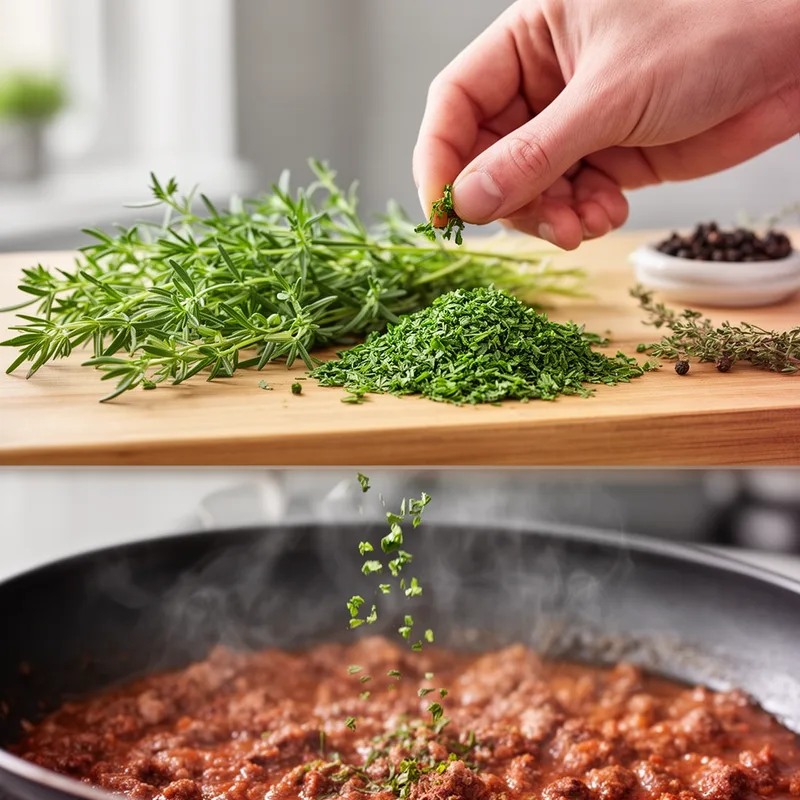
winter savory
- noun
- /ˈwɪntər ˈseɪvəri/
- Have you tried using winter savory in your dishes?
Examples
-
A handful of chopped winter savory added depth to the meat loaf recipe.
-
She grew winter savory in her herb garden to use during the colder months.
-
The chef recommended adding winter savory to the stew for a unique, peppery flavor.
-
I love adding winter savory to my soups.
-
I added winter savory to the stew to enhance its flavor with a peppery kick.
-
When cooking lamb, chef often uses winter savory for its aromatic thyme-like taste.
-
For my herbal tea, I prefer a mix that includes winter savory for its unique flavor.
Synonyms

 2
7.5
2
7.5

An herb with a spicy taste used in cooking
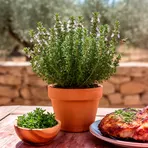
A small evergreen herb from southern Europe with leaves that taste like thyme and that people use to season food
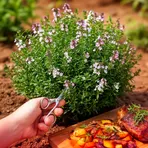
A small evergreen herb with leaves that taste like thyme and pink or white flowers
Surface Forms
Morphology
The meaning is directly compositional: 'winter' modifies 'savory' to indicate a type or seasonal variety of the herb, so a learner who knows both words can infer it is a savory associated with winter or a winter-hardy variety. This naming pattern for plant varieties is cross-linguistically common and follows standard noun-modifier composition, making the MWE immediately understandable.
Etymology
Winter savory comes from an herb that stays green and keeps a peppery taste in cold months. The part winter points to when people used it and savory describes its tasty 'seasoning' flavor, so the name tells you it is an herb used for cooking.