

white daisy
- noun
- /waɪt ˈdeɪzi/
- In spring, the fields bloom with countless white daisies, creating a breathtaking sight.
- white daisies with yellow
Examples
-
She picked some white daisies to brighten up the kitchen table.
-
The garden on the other side of the wall is full of white daisies, oak trees, and large red roses that poke their heads above the wall.
Fiction book (1993) -
The garden was filled with beautiful white daisies that danced in the gentle breeze.
Synonyms

A tall plant with white petals and a yellow center that comes back each year

A tall plant from Europe and Asia with leafy stems and white daisy-like flowers

A tall plant that comes back every year with white daisy-like flowers
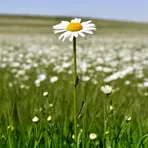
A tall plant with white daisy-like flowers that grows in fields
Surface Forms
Morphology
The meaning is directly and literally derived from combining 'white' (color) with 'daisy' (the flower), so a B1 learner who knows both words will immediately understand it refers to a daisy that is white. This adjective+noun composition is a straightforward, cross-linguistically common pattern and requires no idiomatic or metaphorical knowledge.
Etymology
White daisy is a name that describes the flower: bright white petals around a yellow center. The word daisy comes from the old phrase 'day's eye' because the flower opens in the day, so the name helps you picture this common garden flower.

