
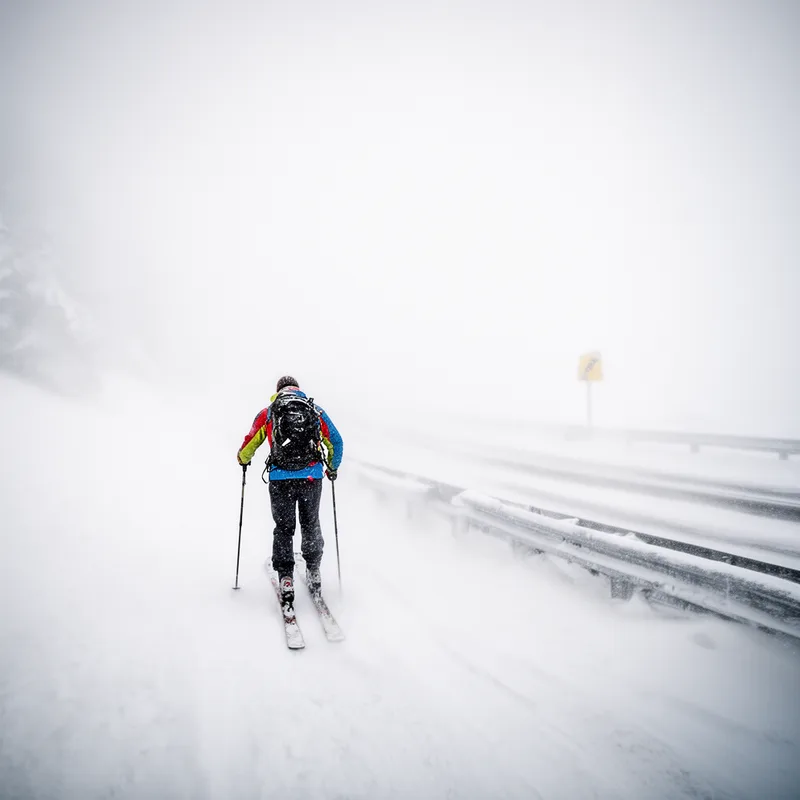
to white-out
- verb
- /ˈwaɪt aʊt/
- UK
- As the blizzard intensified, the entire road seemed to white-out in a matter of minutes.
Examples
-
If the weather white-outs again tomorrow, we’ll have to cancel our hike.
-
The storm white-outed the mountain pass, leaving the skiers stranded.
-
The storm caused the visibility to white-out completely.
-
During the blizzard, the landscape white-outed in minutes.
-
As the winter storm progressed, the visibility began to white-out, making it impossible to see beyond a few feet.
-
The heavy snowfall caused the valley to white-out, transforming the scene into a blur of white and gray.
-
When the fog rolled in quickly, the city began to white-out, and drivers had to slow down to avoid accidents.
Synonyms
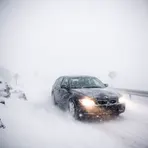
To lose visibility in heavy snow, fog or rain so the land looks white
Antonyms
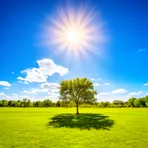


How Visible

Surface Forms
Morphology
Etymology
White-out comes from the two simple words white (the colour of snow) and out meaning 'no visibility', similar to blackout. It paints the picture of the world 'going white' so you cannot see, which is why to white-out means the weather has become so snowy or foggy that daylight visibility is lost.