
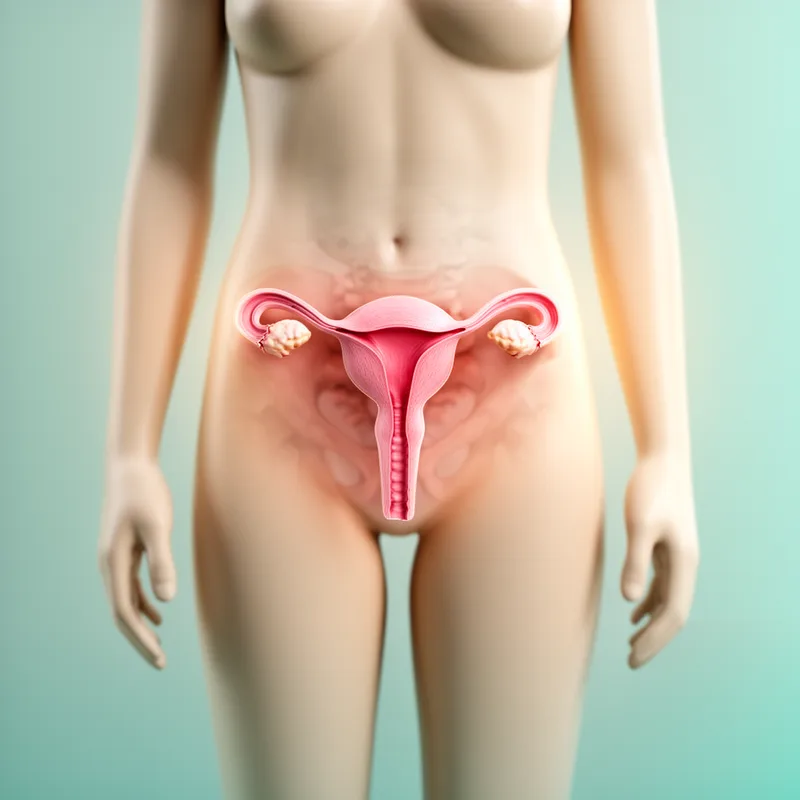
vulvovaginal


 1
8.1
Relating to the vulva and the vagina
- adjective
- /ˌvʌlvoʊˈvædʒɪnəl/
- Specialized
:
vulvovaginal
- Use primarily for vulvovaginal candidiasis and various skin and mucous membrane Candida infections.
- vulvovaginal candidiasis
Examples
-
Moderate to severe vulvovaginal symptoms in postmenopausal women can significantly decrease sexual functioning and quality of life.
-
Use: effective against most Candida species; oral used to treat oropharyngeal candidiasis, some dermatophytoses, and cutaneous candidiasis vulvovaginal candidiases.
Academic text (2005) -
A new study reports that vaginal estradiol tablets may be effective in relieving vulvovaginal discomfort and improving overall quality of life.
-
Doctors often recommend treatments for various vulvovaginal issues, including candidiasis and discomfort.
Surface Forms
vulvovaginal positive
Morphology
Etymology
The word vulvovaginal comes from the parts vulva and vagina: vulva means the 'outer part' and vagina means the 'inner canal'. So vulvovaginal means 'relating to both the vulva and the vagina'.