
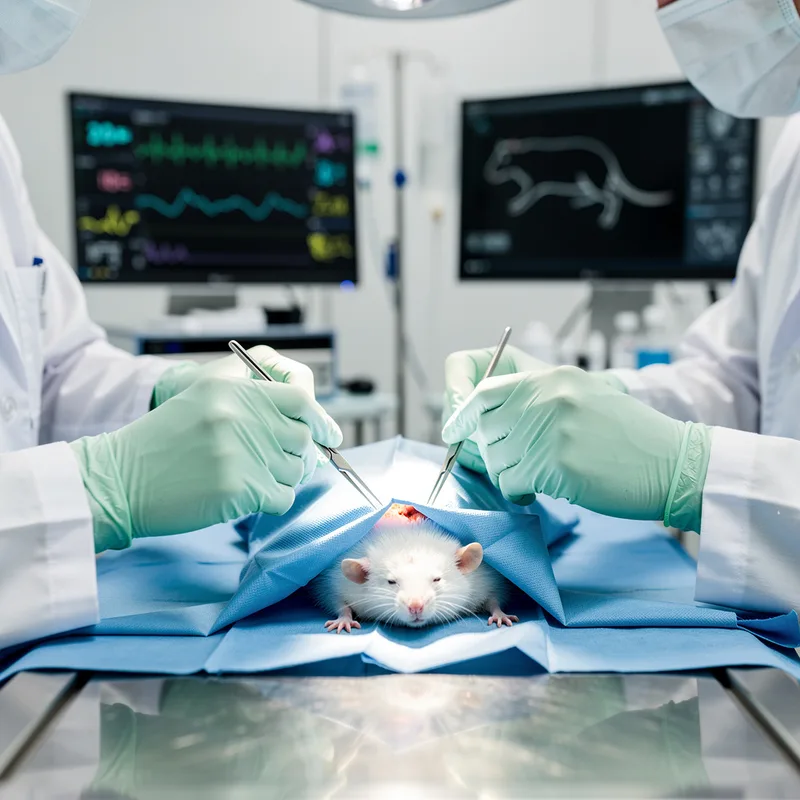
vivisection
 5
9.9
5
9.9

- noun
- /ˌvɪvɪˈsɛkʃən/
- NSFW
 :
vivisección
:
vivisección
- The prevalent methodological use of animals in biomedical research is vivisection—the act of cutting into a creature still alive.
- animal vivisection
- performing vivisection
- vivisection debates
Examples
-
The Experiment because Doctor Raymond justifies his right to perform an experiment using the same premise as vivisection advocates.
Academic text (2018) -
Is this dog really a noble sacrifice donating his life for the betterment of mankind or is he simply an innocent victim of the billion-dollar vivisection industry?
-
Animal research is quite expensive: $18 billion is spent annually by vivisection industries in the United States.
Academic text (2001) -
The moral problems of animal researchers can be traced to Charles Darwin, who, incidentally, had personal qualms about vivisection.
Academic text (1993) -
The practice of vivisection is controversial, with many arguing it causes unnecessary harm to animals.
-
Scientists employ vivisection to observe the physiological effects of different medications on living subjects.
-
The debate over vivisection raises ethical questions about the treatment of animals in scientific experimentation.
How Invasive

Surface Forms
Morphology
Etymology
Vivisection comes from two Latin parts: vivus meaning 'alive' and sectio meaning 'cutting'. So, it literally means 'cutting the living', which is why vivisection refers to surgical experiments on living animals, and you can see the same viv in the common word survive.