

vitamin B6
 1
2.6
1
2.6

- noun
- /ˈvaɪtəmɪn bi sɪks/
- Specialized
- Folic acid and vitamins B6 and B12 are important in the processes of remethylation and trans-sulfuration (Figure 5).
Examples
-
For example, ARS researchers found a link between cataract development and lower levels of vitamin B6, folate, and taurine in the diets of the elderly.
Academic text (2003) -
A typical supplement dose of vitamin B6 for carpal tunnel syndrome is 50 mg 2 to 3 times a day.
Blog text (31) -
There is clearly a need to test whether cellular vitamin B6 is diminished in autism spectrum disorders.
Blog text (19) -
Along with supplementation, vitamin B6 can be found in such food sources as sweet potatoes, avocados, and brown rice.
Blog text (31) -
In several research studies, vitamin B6 deficiency has been associated with carpal tunnel syndrome.
Blog text (31) -
Beef is rich in creatine; the creatinine concentration in beef is higher than in any other food products. Beef contains enough vitamin B6, which can help enhance immunity, promote metabolism, and support protein synthesis.
Blog text (3) -
Impaired bioavailability of vitamin B6 may affect the nervous system because it is required for the synthesis of neurotransmitters including serotonin, dopamine, and taurine 110.
Blog text (19) -
The significant increase in plasma vitamin B6 in many children with autism spectrum disorders could potentially reflect diminished cellular uptake or inefficiency of cells to retain or store B6.
Blog text (19) -
Nugenix is a combination of zinc, vitamin B6, vitamin B12, and a testosterone booster complex that combines the properties of several herbal extracts.
Blog text (22) -
Foods rich in vitamin B6, like fish and potatoes, are important for your health.
Synonyms
 1
8.1
1
8.1
A form of vitamin B6 that helps the body use proteins and starch

A B vitamin that helps the body use proteins and starch

A form of vitamin B6 that helps the body use amino acids and starch
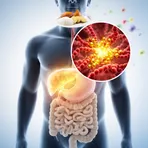
A form of vitamin B6 that helps the body use proteins and starch
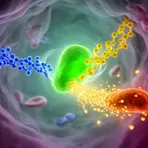
A form of vitamin B6 that helps the body use small parts of protein and starch for energy
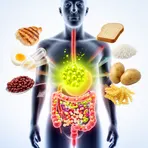
A form of vitamin B6 that helps the body use proteins and starch
Surface Forms
Morphology
vitamin + B6
The phrase is a straightforward combination of the noun 'vitamin' and an alphanumeric subtype label 'B6', so a learner who knows both parts will understand it denotes a specific kind of vitamin. This compositional naming pattern (vitamin + letter/number) is cross-linguistically common, so the meaning is immediately recoverable rather than idiomatic.
Etymology
Vitamin B6 got its name because early scientists simply numbered the B vitamins as they discovered them, and this one was the 'sixth'. So Vitamin B6 is the B-group vitamin known for helping the body use protein and starch.