
vinyl polymer
- noun
- /ˈvaɪnəl ˈpɒlɪmər/
- Specialized
- Researchers developed a new vinyl polymer that is stronger and more flexible than previous materials.
Examples
-
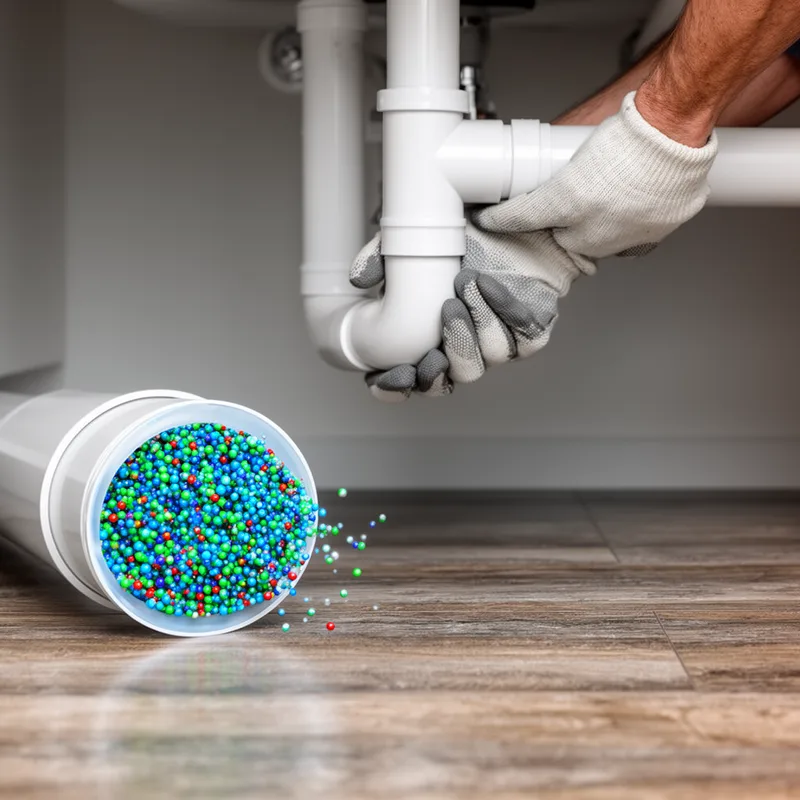
Most pipes in modern homes are made from vinyl polymer due to its durability.
-
The recycling process for vinyl polymer products requires special equipment to break them down safely.
-
The vinyl polymer is durable and flexible.
-
Many products are made from vinyl polymers.
-
Modern flooring options often include vinyl polymer for its water-resistant properties.
-
The furniture industry relies on vinyl polymer for creating long-lasting upholstery materials.
-
Due to its versatility, vinyl polymer is commonly used in the production of toys and packaging.
Synonyms

 65
3.9
65
3.9

A shiny, flexible plastic used for floors, chair covers, and records
 4
6.6
4
6.6
A man-made plastic used for pipes or films

A plastic material used to make paints and flexible, water resistant products

A plastic that people make and use for pipes, flooring, and coatings
Surface Forms
Morphology
The compound is compositionally transparent: 'vinyl' names a specific chemical group and 'polymer' denotes a large molecule made of repeating units, so 'vinyl polymer' straightforwardly means a polymer composed of vinyl-derived monomers. This follows regular noun-noun compounding and is predictable for a learner who already knows the constituent meanings, even if the term is technical.
Etymology
Vinyl polymer comes from its two parts: vinyl, a small chemical piece, and polymer, which means many pieces joined. Think of many tiny vinyl tiles snapping together into a long chain to make a strong, flexible plastic, so the name means 'a plastic made from joined vinyl units'.