
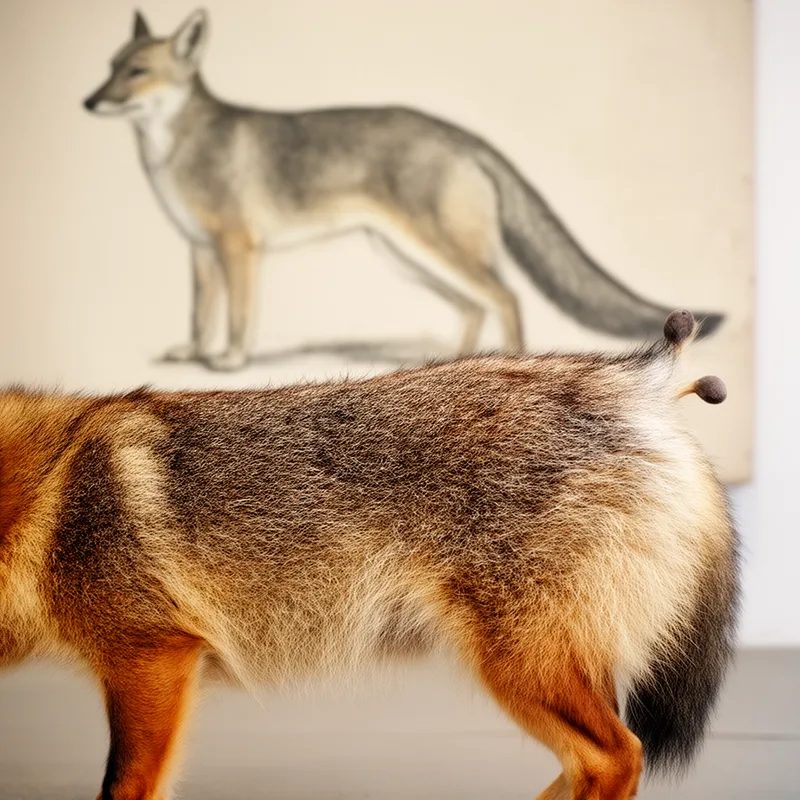
vestigially


 1
8.9
- adverb
- /vɛˈstɪdʒɪəli/
- Specialized
- Suddenly he was surrounded by new monsters; not the vestigially human ones of a moment before, but a flapping, snapping, reptilian host, kith and kin of the "crocodile" at Mary's feet.
Examples
-
These are eighteenth-century figures and have not, as St. Augustine had, the relatively simple life-plot in which everything of narrative importance ends with his conversion; the likes of Gibbon and Rousseau were not (except perhaps vestigially) subject to such spiritual constraints.
Academic text (1995) -
Liberals, after all—and I am, vestigially anyway, a liberal—require themselves to feel guilty most of the time for most of the bad things in the world.
Academic text (1995) -
Vollbart's second-generation, vestigially Jewish father, a thoracic surgeon, liked to tell old jokes about fouled-up assimilation, immigrant jokes from the Lower East Side he had heard as a boy.
Fiction book (2001) -
The old factory now exists only vestigially, with just a few remnants of its once grand structure.
-
Some language features are vestigially present in modern dialects, hinting at their historical origins.
-
The ancient ruins were vestigially visible beneath the overgrown vegetation, suggesting a once thriving civilization.
Antonyms


How Developed

Surface Forms
Morphology
Etymology
Vestigially comes from the Latin word vestigium, which means 'footprint' or 'trace', and is the same root as vestige and investigate. So when something exists vestigially, it is only a small leftover or faint 'trace' of what was once larger.