
valeric acid


 1
7.9
- noun
- /vəˈlɛrɪk ˈæsɪd/
- Specialized
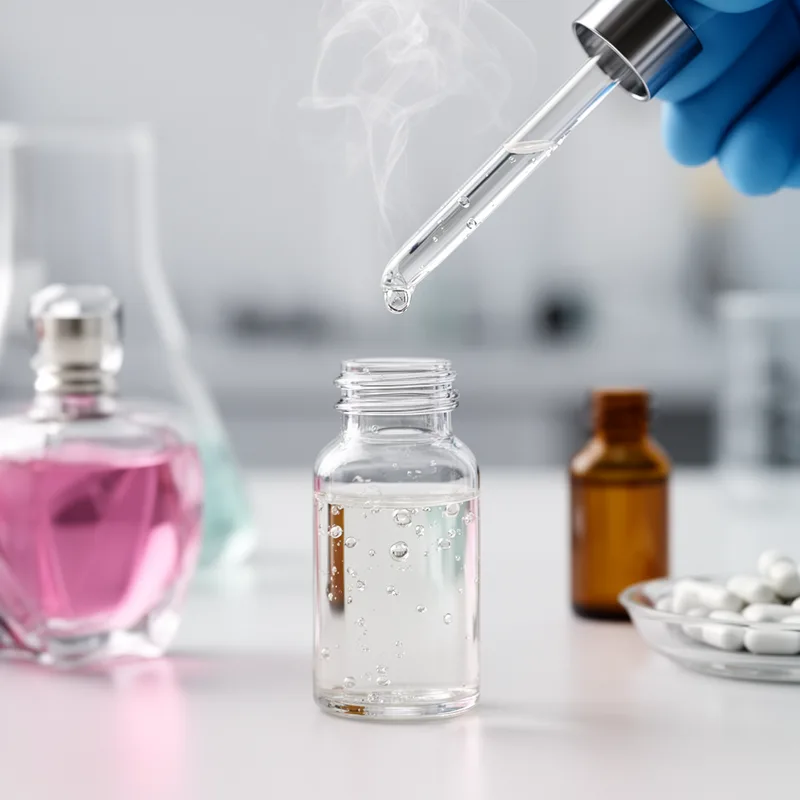
- Perfume manufacturers value valeric acid for its strong and distinctive aroma.
Examples
-
The laboratory synthesized valeric acid for use in creating a new fragrance.
-
Researchers studied the effects of valeric acid on human cells in medical trials.
-
The laboratory uses valeric acid for various experiments.
-
Have you ever smelled valeric acid before?
-
Perfume manufacturers value valeric acid for its strong and distinctive aroma.
-
The laboratory synthesized valeric acid for use in creating a new fragrance.
-
Researchers studied the effects of valeric acid in the development of new pharmaceuticals.
Synonyms
 1
7.4
A clear oily liquid used to make perfumes, medicines, and to soften plastics
Surface Forms
Morphology
This is a straightforward adjective + noun construction: 'valeric' specifies the type/source and 'acid' identifies it as an acid, so a learner who knows both constituents can infer it denotes a particular kind of acid. The precise chemical properties are technical and not predictable from the words alone, but the basic classificatory meaning is transparently compositional and common across languages.
Etymology
Valeric acid takes its name from the plant valerian. Chemists first found the acid in the plant's root, which has a very 'strong smell', so the name links the acid to that smell and helps explain why it is used in perfumes and medicines.