
uropod


 1
9.9
- noun
- /ˈjʊrəˌpɒd/
- Specialized
Examples
-
In 1948, the uropod punch was replaced by the V-notch (Miller, 1995).
Academic text (1999) -
From 1917, ovigerous females could be sold only to the state, which marked them with a hole punched into their uropod and then released them back into local waters as property of the state (Miller, 1995).
Academic text (1999) -
This hatchery continued operations until 1918 when the state passed a regulation that required officials to purchase egg-bearing females from lobstermen and mark them with three eyelet holes through their uropods.
Academic text (1999) -
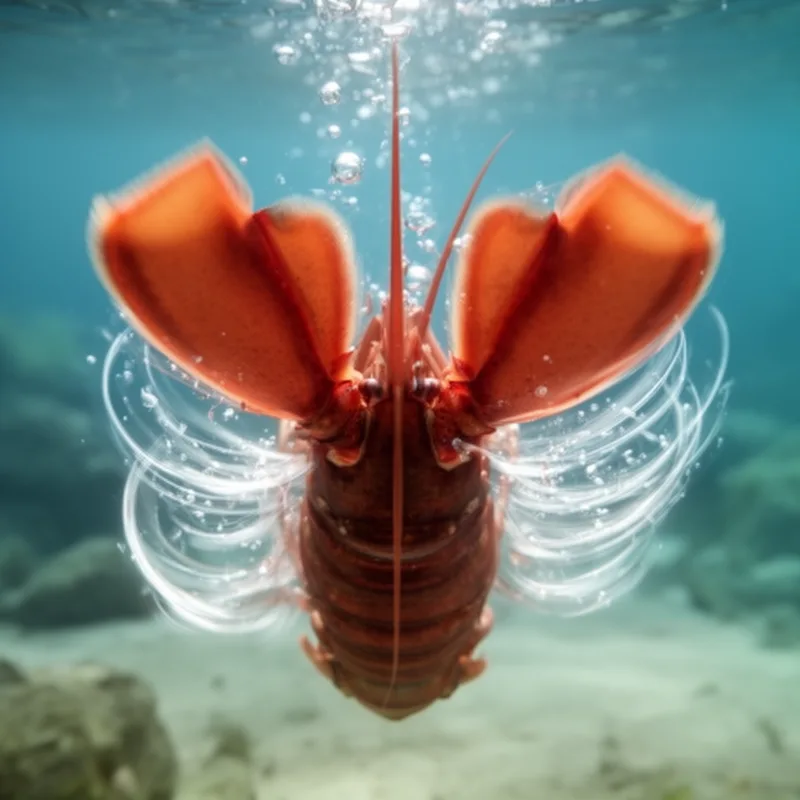
The uropod helps the shrimp steer while swimming through the water.
-
In crustaceans, the uropod is crucial for maneuverability during swimming.
-
During its swim, the crab adjusted its uropod to navigate around obstacles.
Surface Forms
Morphology
uropod = uro + pod
The parts are Greek combining forms ('uro-' = tail, '-pod' = foot) that are not productive standalone English words for most learners, so the meaning cannot be derived by a typical B1 learner from familiar English bases.
Etymology
The word uropod comes from the Greek words oura meaning 'tail' and pod meaning 'foot', as in tripod ('three-foot'). So a uropod is like a 'tail-foot', a pair of small tail parts that help animals like shrimp and lobsters swim and steer.