

urinary tract
 11
3.4
11
3.4

- noun
- /ˈjʊrɪˌnɛri træk/
- Specialized
 :
tracto urinario
:
tracto urinario
- A 5-year-old girl first presented in 1975 with an 18-month history of recurrent urinary tract infections.
- urinary tract infection
- urinary tract symptoms
- urinary tract malformations
It can be anything from a urinary tract infection to a bad tooth, to an Abscess somewhere to some upset in their belly, anything.
- It can be anything from a urinary tract infection to a bad tooth, to an Abscess somewhere to some upset in their belly, anything.
- And I wanted to highlight the E coli because just remember, E coli is the most common cause of urinary tract infections in we women.
Examples
-
THE CASE: A 74-year-old lady telephoned triage complaining of symptoms of a urinary tract infection and requested a same-day appointment.
Academic text (2011) -
How many urinary tract infections can I cure?
-
And I'll just say that I have a urinary-tract infection.
-
That can upset your urinary tract, right?
-
I have never had an infected urinary tract.
-
So Sophie's got a urinary-tract infection.
-
It's a urinary tract infection.
-
He is being treated for a urinary tract infection.
-
Urinalysis can identify the presence of a urinary tract infection, which may be the cause of symptoms.
Academic text (2012) -
A couple of years ago, I saw a patient with a urinary tract infection.
Synonyms

 1
3.8
1
3.8
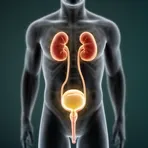
A group of organs that make, store, and remove urine

Body system that makes, stores, and removes urine
How Big
- Specialized
1
3.8

- Specialized
11
3.4
376
1.6
- Specialized
Surface Forms
Morphology
The meaning 'system of organs and tubes responsible for urine' is directly and transparently derived from combining 'urinary' (connected to urine) with 'tract' (a bodily passage or system). This anatomical compound follows common medical naming patterns (e.g., digestive tract, respiratory tract) and is cross-linguistically predictable, so a B1 learner who knows the constituents should understand it.
Etymology
Urinary tract comes from urinary (about 'urine') and tract (a path or channel), so it paints the picture of pipes or tubes in the body that make, store and carry away urine, and that is why it means the organs and tubes that do those jobs.