
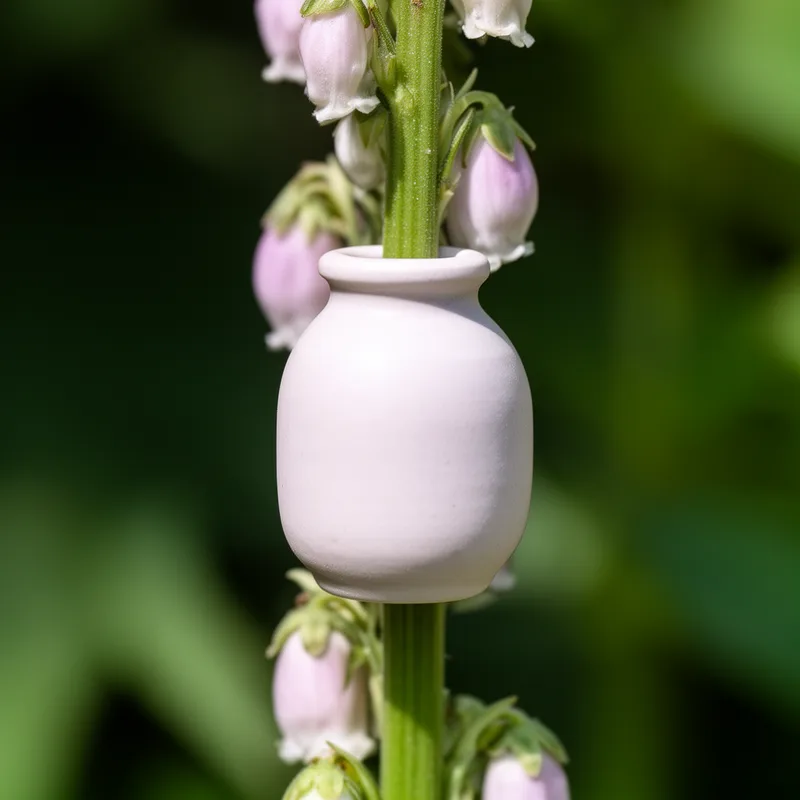
urceolate
- adjective
- /ˈɜrsiəˌleɪt/
- Specialized
- The urceolate flowers of the plant are a key feature for its identification.
Examples
-
Several species of fungi produce urceolate fruiting bodies.
-
The urceolate flowers of the plant are shaped like small urns, which helps in attracting specific pollinators.
-
The botanist noted the urceolate shape of the calyx in his report.
-
The urceolate flower has a unique shape.
-
Many urceolate plants thrive in tropical climates.
-
In her research paper, she described how the urceolate fruiting bodies of certain fungi are distinctive for identification.
-
The urceolate shape of the leaves on this tree makes it easy to recognize in the forest.
Synonyms


 1
6.9
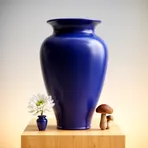
A shape like a vase with a narrow base and a wider top

Having the form of a small bag or bladder in plants and animals
Surface Forms
Morphology
urceolate = urn (semi-transparent) = urceol + ate
Although the adjective is formed from a Latin combining form not used independently in English, the meaning 'urn-shaped' is reasonably inferable from the common English word 'urn'.
Etymology
Urceolate comes from the Latin urceolus, meaning 'little urn' or 'small pitcher', so picture a tiny urn with a round base and a narrow neck. That's why an urceolate part is shaped like an urn, rounded at the base and narrowed toward the opening.