

unliveried
- adjective
- /ʌnˈlɪvərid/
- Guests were surprised to see an unliveried footman at the formal event.
Examples
-
The estate's new driver was unliveried, unlike the others who wore crisp uniforms.
-
The unliveried staff members felt out of place at the formal event.
-
She preferred her staff unliveried to create a more relaxed atmosphere.
-
Why was he unliveried during the ceremony?
-
The guests were surprised to see an unliveried servant at the formal dinner.
-
She chose to have her staff unliveried for the more casual event.
-
Unlike the other attendants, the unliveried helper blended in with the guests.
Synonyms

 6
4.2
6
4.2

Wearing ordinary clothes instead of a uniform to avoid being recognized as a police officer


 1
6.6
1
6.6
Not wearing the usual clothes for a job or group
Antonyms
Surface Forms
Morphology
Etymology
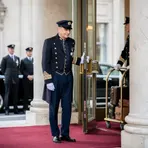
Unliveried comes from livery, which used to mean clothes or a uniform that was 'given' to servants, a bit like the English word deliver ('to give' or 'hand over'). So unliveried simply means not wearing that provided uniform.