
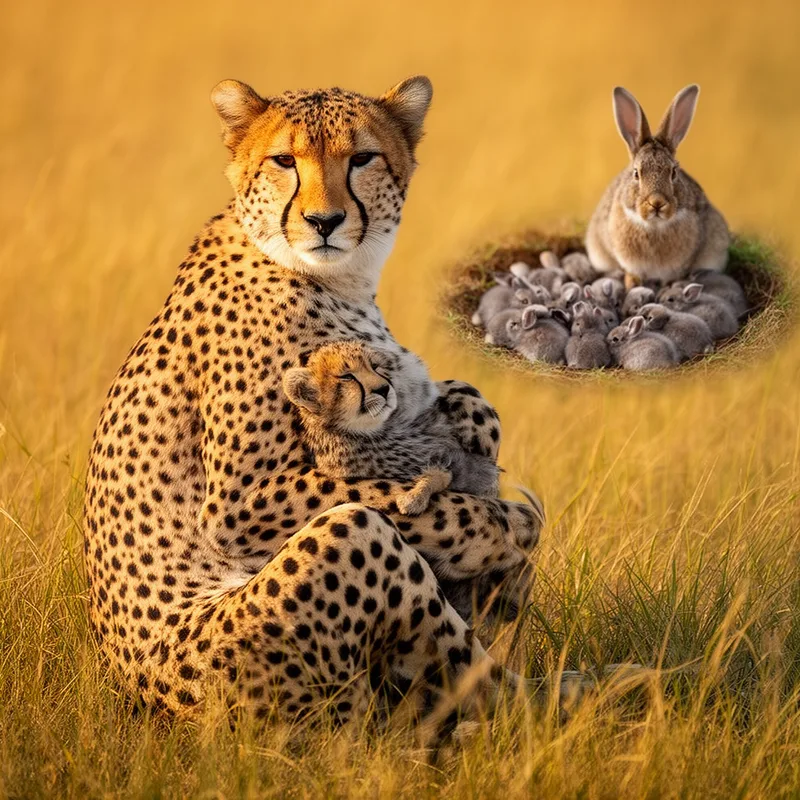
uniparous
9.9
Producing only one young at a time
- adjective
- /ˌjuːnɪˈpɛrəs/
- Specialized
:
uniparo
- The cheetah is a uniparous animal, usually giving birth to just one cub per pregnancy.
Examples
-
Some flowering plants are uniparous, producing a single seed at a time.
-
Many mammals, such as humans, are considered uniparous.
-
In contrast to uniparous species, rabbits are known for being highly multiparous.
-
The uniparous species typically has a lower reproductive rate.
-
The cheetah is a uniparous animal, usually giving birth to just one cub per pregnancy.
-
Many mammals, such as humans, are considered uniparous.
-
Some flowering plants are uniparous, producing a single seed at a time.
Antonyms

How Many
multiparous
- Specialized

uniparous
- Specialized
Surface Forms
uniparous positive
Morphology
Etymology
Uniparous comes from uni- meaning 'one' and -parous meaning 'giving birth', and it shares the same root as the common word parent. So, a uniparous animal or plant makes only one baby or seed at a time.

