

uniovular
9.9
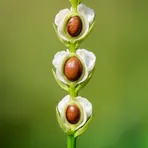
A plant or animal that has one egg in the ovary, like identical twins that develop from the same egg
- adjective
- /ˌjuːniˈɒvjələr/
- Specialized
:
uniovular
- Inside the fig, the wasps pollinate the uniovular female flowers and simultaneously lay their eggs on some ovules by inserting their ovipositors down the styles (stage B).
Examples
-
The botanist explained that uniovular plants tend to produce more uniform fruits than those with multiple ovules.
-
Uniovular species are important for studying plant reproduction, as they provide clear examples of single ovule development.
-
In their research, the scientists focused on uniovular organisms to better understand their unique reproductive strategies.
Synonyms
9.9
Having only one seed per flower
is broader, used for any organism or ovary with a single ovule
How Many
biovular
- Specialized

uniovular
- Specialized
Surface Forms
uniovular positive
Morphology
Etymology
The word uniovular mixes uni- 'one' (like in unicycle) and ovule 'small egg', so it literally means 'from one egg'. That's why uniovular describes an ovary or a living thing that has or comes from a single ovule, as when identical twins start from one egg.

