
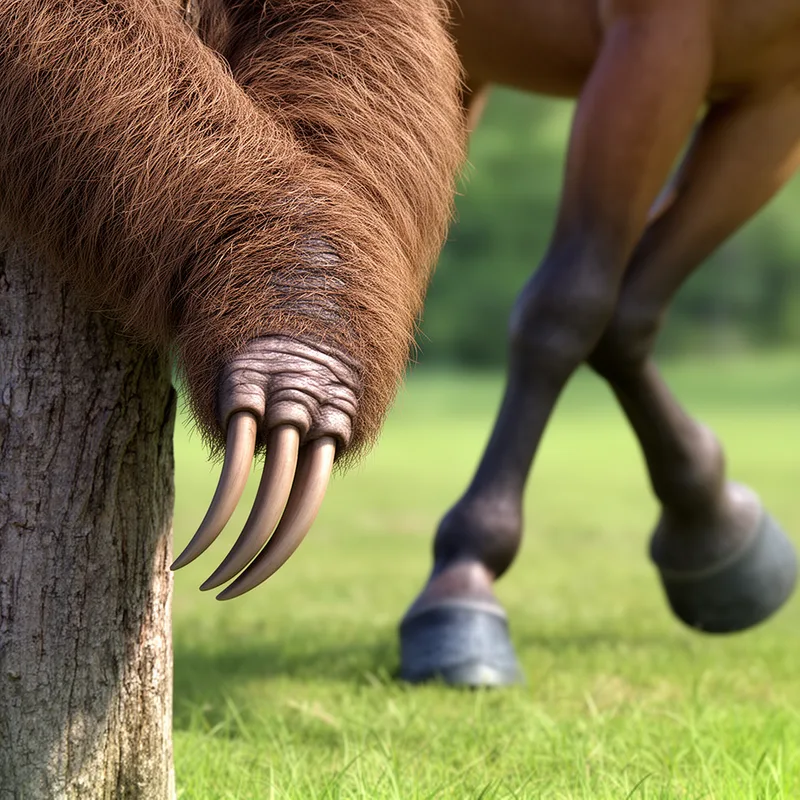
unguiculate mammal
- noun
- /ˈʌŋɡwɪkjʊlɪt ˈmæməl/
- Specialized
- Primates, as unguiculate mammals, generally have flattened nails instead of claws.
Examples
-
Sloths are an example of an unguiculate mammal because they possess prominent claws.
-
The distinction between unguiculate mammals and ungulates is fundamental in mammalian classification.
-
The unguiculate mammal climbed the tree effortlessly.
-
Many unguiculate mammals are excellent climbers.
-
Many unguiculate mammals, such as monkeys and apes, use their nails to grasp branches while climbing.
-
Sloths, which are unguiculate mammals, have specialized claws that help them cling to trees.
-
Primates, classified as unguiculate mammals, typically have flattened nails suited for gripping.
Synonyms
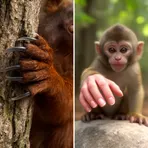
A mammal with nails or claws
Antonyms

Surface Forms
Morphology
The adjective 'unguiculate' means 'having or resembling claws or nails', so 'unguiculate mammal' compositionally denotes a mammal with claws or nails rather than hooves. The phrase is literal and non-idiomatic, so a learner who knows both constituent meanings can derive the overall meaning.
Etymology
Unguiculate mammal comes from a word that means 'nail' or 'claw'. It therefore names a mammal that has nails or claws instead of 'hooves'.

