
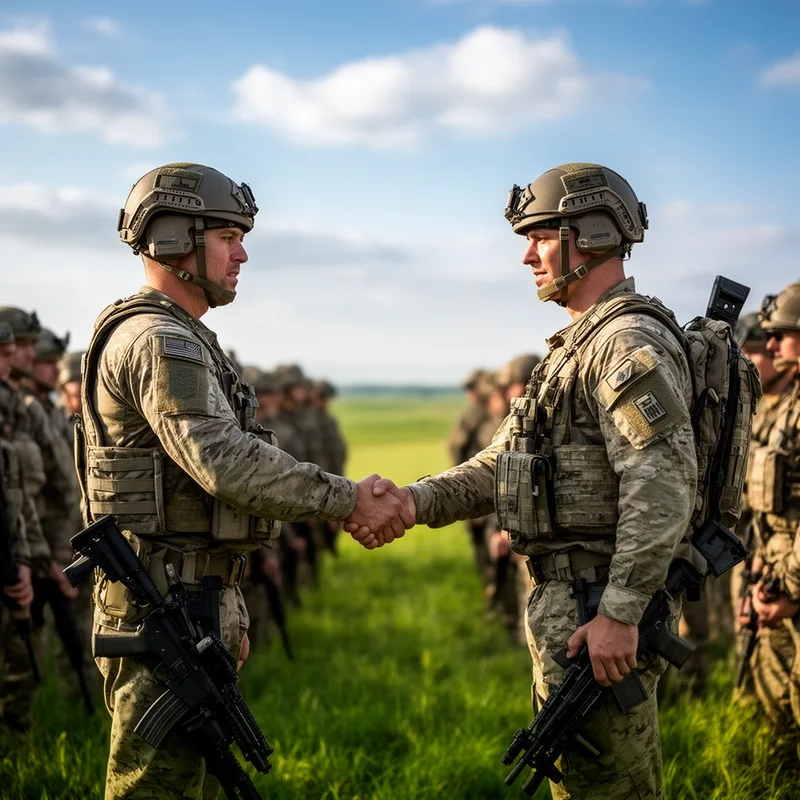
unbloody


 1
5.8
1
5.8
- adjective
- /ʌnˈblʌdi/
 :
pacífico
:
pacífico
- Their agreement was reached through diplomatic channels, making it an unbloody solution to their longstanding issues.
Examples
-
The debate ended in an unbloody compromise, with neither party resorting to hostility.
-
The peaceful resolution of the conflict was achieved in an unbloody manner, allowing both sides to save face.
-
And it would be relatively unbloody because there is no defense anymore.
Blog text (5) -
It is the offering of the Son to the Father and the unbloody representation of that One Offering that was for our redemption.
Blog text (21) -
And this here is a victorious sponge that looks unbloody believable.
-
Sadly, though, you never heard them saying that, in fact, the most important liturgical action is being present for the reenactment in an unbloody way of the one Sacrifice of Calvary on our altars and then the ratification of this participation by receiving our Crucified, Risen, and Glorified Lord.
Blog text (27)
Synonyms
 44
4.0
44
4.0
Not using violence or physical force
 9
4.8
9
4.8
Done without bleeding or violence
 1
6.4
1
6.4
Not wounded and not stained with blood
Antonyms

How Bloody

Surface Forms
Morphology
Etymology
The word unbloody comes from the parts un- and bloody, where un- means 'not' and bloody means 'with blood' or 'violent'. So an unbloody event is 'not bloody' — a peaceful action or change that happens without bloodshed or physical harm.