
tyrosine
 2
7.8
2
7.8

- noun
- /taɪˈrɔːsiːn/
- Specialized
- But most people don't realize that tyrosine is a natural antidepressant.
- tyrosine kinase
- tyrosine kinase receptor
Loading YouTube…
Watch on YouTubeFor that reason, many people have turned to the use of L tyrosine.
- For that reason, many people have turned to the use of L tyrosine.
- Basically, when we need to attend to multiple things at the same time, L tyrosine can help us do that, at least as it relates to memory.
- That pathway, the melanin pathway is from tyrosine, which is the precursor to dopamine and also to melanin production in the fur.
Examples
-
PKU is characterized by the lack of an enzyme that converts phenylalanine into tyrosine.
Academic text (2010) -
Other dietary effects, such as the impact of the amino acid tyrosine on stress levels, are under investigation.
Academic text (1997) -
As one might expect, milk contains lots of tyrosine for growing bodies.
Blog text (12) -
Basically, when we need to attend to multiple things at the same time, L tyrosine can help us do that, at least as it relates to memory.
-
That pathway, the melanin pathway is from tyrosine, which is the precursor to dopamine and also to melanin production in the fur.
-
Tyrosine is an amino acid that plays a crucial role in the production of hormones like tyrosine.
-
Foods high in protein, such as chicken and fish, often contain tyrosine, which aids in metabolism.
-
Taking a supplement with tyrosine can help improve mental clarity and reduce stress during challenging tasks.
Compounds

- Specialized
A drug that stops proteins that make cancer cells grow, used to treat some cancers
Surface Forms
Etymology
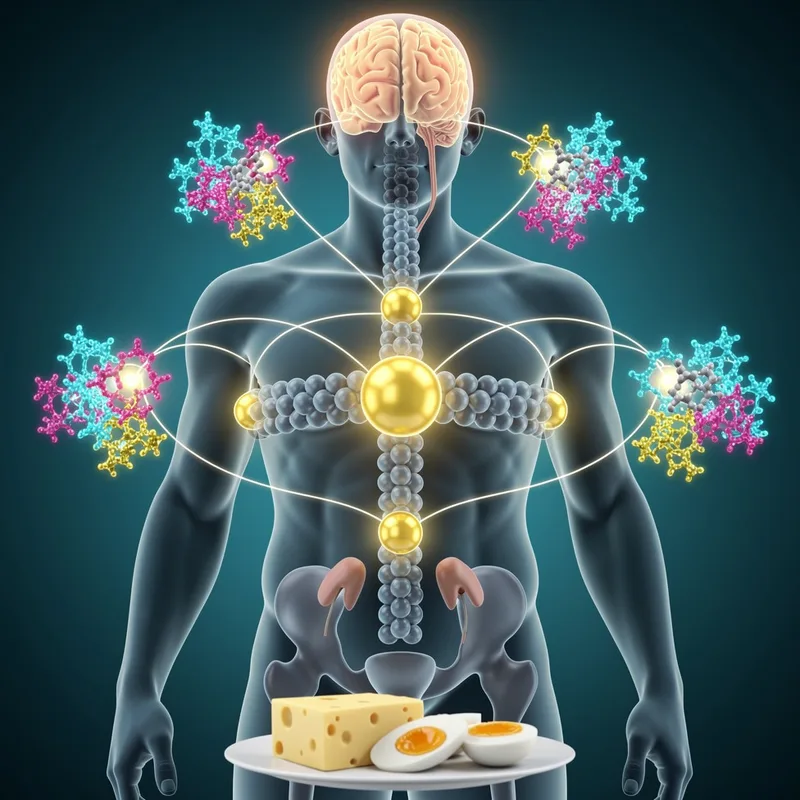
Tyrosine comes from the Greek word tyros, meaning 'cheese', because it was first found in cheese, and the ending -ine is a common part of chemical names. So tyrosine is an amino acid found in many proteins and in foods like cheese.