

twig blight
- noun
- Specialized
- Gardeners must prune affected branches promptly to control twig blight.
Examples
-
Several species of fungi can cause twig blight in ornamental shrubs.
-
The apple orchard suffered from severe twig blight after a wet spring.
-
The garden is suffering from twig blight this season.
-
Many trees have been affected by twig blight.
-
The gardener noticed that the new shoots were suffering from twig blight, causing the ends to die back.
-
After the heavy rainfall, many plants in the nursery developed twig blight, leading to concerns about their survival.
-
To combat twig blight, it's essential to regularly inspect plants for signs of distress at their tips.
Synonyms
 7
7.3
7
7.3

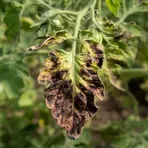
A plant disease that makes leaves and stems die without rotting
Surface Forms
Morphology
Both constituents are semantically clear to a B1 learner: 'twig' names the small woody shoot and 'blight' denotes a plant disease that causes withering. The compound simply specifies the locus of the disease (blight affecting twigs), a straightforward noun+noun composition common across languages, so the overall meaning is directly derivable from the parts.
Etymology
Twig blight is a name that shows the real problem: the very ends of a plant, the small branches or twigs, turn brown and die. The word blight means sudden damage or withering, so the phrase refers to a disease that makes those twig tips 'die back'.