
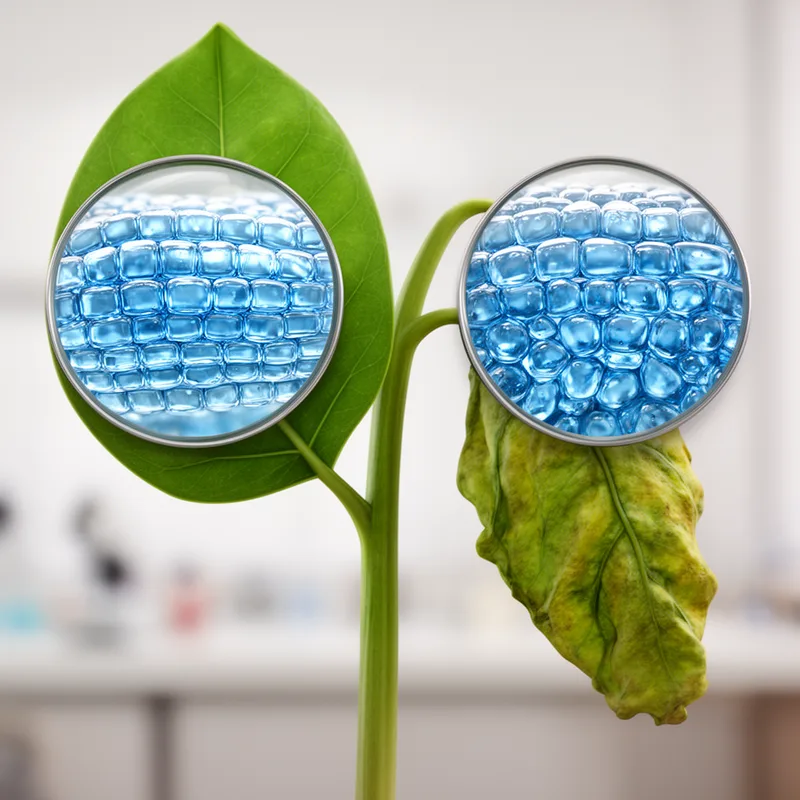
turgor
 1
9.0
1
9.0

- noun
- /ˈtɜrɡər/
- Specialized
- The decrease of shoot and root dry weight might be due to some reasons such as (i) salt stress reducing photosynthesis per unit leaf area, which turned into a limited supply of carbohydrates needed for shoot growth; (ii) reduced turgor resulting in lower water potential; and (iii) disturbance in mineral supply, which might have directly affected growth.
- skin turgor
- turgor pressure
Examples
-
Poor skin turgor: skin that stays compressed when pinched.
Academic text (2007) -
Plant cells will communicate stress signals if something changes the turgor (fluid) pressure within their tissues.
Academic text (2005) -
Lacking in turgor, it looks loose as molt.
Fiction book (1998) -
If so, is the crying quiet and tired or urgent and screaming? * Does the crying reduce or stop when you touch or handle the baby? * Does the baby have normal skin color and turgor? * Are there other indications of the cause of distress, e.g., smell of dirty nappy, inappropriate clothing for the weather, obvious temperature?
Academic text (2014) -
The turgor in plant cells helps maintain their structure and prevents wilting.
-
Without adequate moisture, turgor loss can lead to a decline in the health of the plant.
-
The farmers checked the turgor of the soil to ensure it had enough water for the crops.
Antonyms

How Firm

Surface Forms
Etymology
Turgor comes from the Latin turgēre, which means 'to swell', and is related to the English word turgid. In biology, turgor is the pressure of fluid inside a cell that makes it firm and swollen, so the origin explains why it means 'swelling' or 'firmness' in cells.