
trusteeism


 1
9.9
- noun
- /trʌˈstiːɪɪzəm/
- Archaic
- Historians study trusteeism to understand conflicts between church leadership and local congregations.
Examples
-
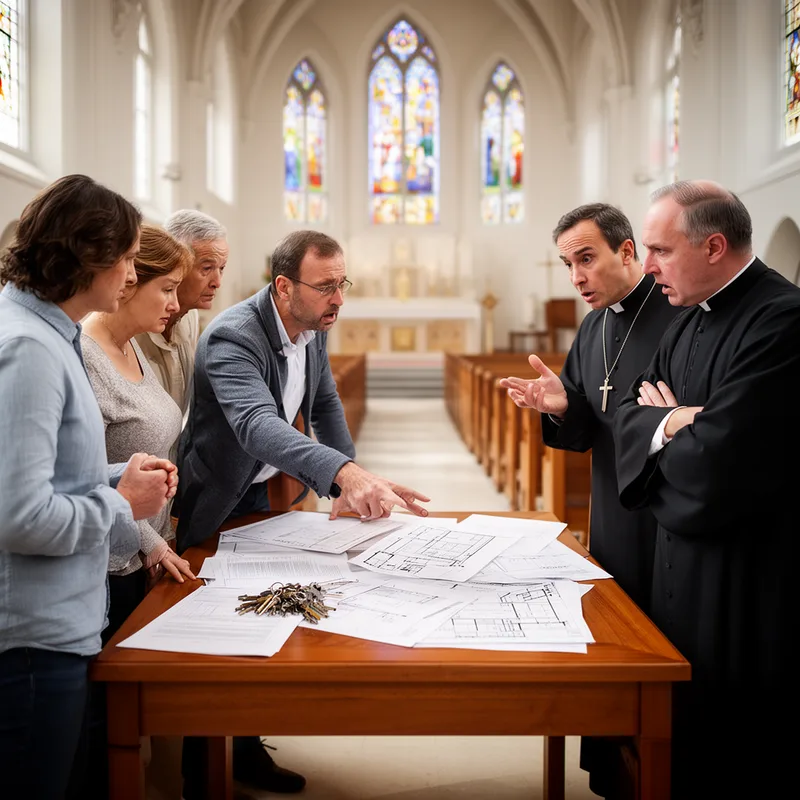
Many parishes were divided by trusteeism, as lay members demanded a greater say in church affairs.
-
The concept of trusteeism has created tension within many congregations.
-
The rise of trusteeism in the 1800s challenged the authority of Catholic bishops in the United States.
-
Many churches struggle with trusteeism and its implications.
-
The practice of trusteeism allowed lay members to play a significant role in managing church finances.
-
During the meeting, they discussed how trusteeism sometimes caused tensions between the church leaders and lay members.
-
Laypeople often felt empowered by trusteeism as it gave them a voice in church governance.
Synonyms
 1
7.4
The job of managing money or property for other people
How Lay-Controlled
- Archaic
1
9.9
 1
9.9
Surface Forms
Morphology
Etymology
Trusteeism comes from trustee, which comes from trust meaning 'to hold something for someone', and the part -ism, meaning 'a system' or 'a practice'. So trusteeism is the system where ordinary church members, not the priests, manage church property or affairs, which is why it often caused disagreements with church leaders.